Skip to content
Dnyan Raj's TRUE HEALTH CARE

Dnyan Raj's TRUE HEALTH CARE

We Empower To Achieve Health Goals

  • Home
  • About Us
  • Service
  • Specialization
  • Charity OPD
  • Contact
Dnyan Raj's TRUE HEALTH CARE

Dnyan Raj's TRUE HEALTH CARE

We Empower To Achieve Health Goals

  • Home
  • About Us
  • Service
  • Specialization
  • Charity OPD
  • Contact

Category: Blog

Your blog category

Breast Cancer: Different Clinical Scenarios & the Role of Homoeopathy

Expert Care by Homoeopath Dr. Sonali Sawale

Dnyan Raj’s True Health Care – Nerul, Navi Mumbai

Breast cancer is not a single disease — it presents in multiple clinical scenarios, each with unique biological behavior, emotional impact, and treatment challenges. From early-stage tumors to advanced metastatic disease, patients experience not only physical symptoms but also deep psychological and hormonal disturbances.

At Dnyan Raj’s True Health Care, Nerul, Homoeopath Dr. Sonali Sawale offers a highly individualized homoeopathic approach that works alongside conventional oncology or independently where appropriate — focusing on constitutional healing, disease control, symptom relief, immunity modulation, and quality of life improvement.


Understanding Different Breast Cancer Scenarios

1️⃣ Early-Stage Breast Cancer (Stage 0–I)

Clinical picture:

  • Small localized lump
  • DCIS or early invasive carcinoma
  • Minimal or no lymph node involvement
  • Often detected during screening

Patient concerns:

  • Fear after diagnosis
  • Anxiety about surgery or recurrence
  • Hormonal imbalance
  • Emotional shock

Homoeopathic role:

At this stage, homoeopathy helps by:

  • Supporting post-surgical recovery
  • Reducing side effects of radiation or hormonal therapy
  • Improving wound healing
  • Balancing hormonal terrain
  • Reducing anxiety and fear
  • Strengthening constitutional resistance

Many patients report:

  • Faster physical recovery
  • Better emotional stability
  • Improved vitality
  • Reduced long-term complications

Homoeopathy works on the internal susceptibility, not merely the tumor site.


2️⃣ Locally Advanced Breast Cancer (Stage II–III)

Clinical picture:

  • Larger tumor size
  • Lymph node involvement
  • Pain, heaviness, skin tightness
  • Fatigue and disturbed sleep

Common challenges:

  • Chemotherapy side effects
  • Hair fall
  • Nausea, weakness
  • Emotional burnout
  • Fear of disease spread

Homoeopathic support includes:

  • Reducing chemotherapy-induced nausea, mouth ulcers, weakness
  • Improving appetite and digestion
  • Supporting immunity
  • Managing pain and inflammatory changes
  • Enhancing tolerance to ongoing oncology treatment

Patients often experience:

  • Better tolerance to chemo
  • Reduced dependency on painkillers
  • Improved emotional resilience
  • Better treatment compliance

Homoeopathy acts as a bioregulatory system, helping the body respond more harmoniously.


3️⃣ Hormone-Positive Breast Cancer (ER / PR Positive)

These cases are commonly treated with long-term hormonal medicines, which may cause:

  • Weight gain
  • Joint pain
  • Mood changes
  • Hot flashes
  • Sleep disturbance

Homoeopathic approach:

  • Addresses hormonal dysregulation naturally
  • Reduces menopausal-like symptoms
  • Improves joint stiffness and fatigue
  • Supports long-term wellbeing

Rather than suppressing hormones, homoeopathy works by rebalancing neuro-endocrine control at an individual level.


4️⃣ Triple Negative Breast Cancer (TNBC)

TNBC is known for:

  • Aggressive behavior
  • Higher recurrence risk
  • Emotional stress due to uncertainty

Homoeopathy helps by:

  • Supporting immune surveillance
  • Improving recovery after aggressive chemotherapy
  • Reducing mental fear and panic
  • Restoring strength and stamina

While oncology remains primary, homoeopathy plays a crucial role in supportive and constitutional care.


5️⃣ Metastatic Breast Cancer (Stage IV)

Common metastatic sites:

  • Bone
  • Liver
  • Lung
  • Brain

Patients often suffer from:

  • Chronic pain
  • Fatigue
  • Breathlessness
  • Emotional exhaustion
  • Reduced quality of life

Homoeopathy in metastatic cancer focuses on:

  • Pain control
  • Improving appetite and sleep
  • Reducing anxiety and depression
  • Supporting organ function
  • Enhancing comfort and dignity of life
  • Slowing disease progression in selected cases

Many patients report:

  • Reduced pain intensity
  • Improved mental calmness
  • Better daily functioning
  • Improved sense of control and hope

Homoeopathy treats the person living with cancer, not just the diagnosis.


Why Homoeopathy Works Differently in Cancer Care

Homoeopathy is:

✔ Individualized — no single medicine for all
✔ Constitutional — treats physical + emotional pattern
✔ Non-toxic — safe with or without conventional therapy
✔ Long-term supportive — suitable even for chronic stages

Treatment is selected after detailed evaluation of:

  • Cancer type and behavior
  • Emotional state
  • Hormonal history
  • Family background
  • Treatment history
  • Mental coping pattern

This depth of case analysis is the hallmark of classical homoeopathy practiced at Dnyan Raj’s True Health Care.


About Dr. Sonali Sawale

Homoeopath – Cancer Support & Chronic Disease Specialist

Dr. Sonali Sawale is known for her compassionate, methodical, and individualized homoeopathic cancer care, especially in breast cancer patients navigating long treatment journeys.

Her approach emphasizes:

  • Scientific homoeopathic principles
  • Ethical integration with oncology
  • Emotional counseling
  • Long-term constitutional strengthening

Dnyan Raj’s True Health Care

📍 Nerul, Navi Mumbai

A trusted center for:

  • Breast cancer supportive homoeopathy
  • Post-chemotherapy recovery
  • Hormonal balance disorders
  • Chronic and lifestyle diseases

The clinic follows a patient-first, evidence-informed, ethically integrated healing model.


🌸 A Message of Hope

Breast cancer may alter life — but it does not define the person.

With the right medical guidance, emotional support, and individualized homoeopathic care, many women rediscover strength, dignity, and inner stability — even during the most challenging stages.

Healing is not only about curing — it is about living better.

Displaying .
Read more
01/02/2026Blog

Homoeopathic Treatment for Breast Cancer in Nerul, Navi Mumbai

Expert Care by Dr. Sonali Sawale – Dnyan Raj’s True Health Care

Breast cancer affects not only the body but also the emotional, hormonal, and immune balance of a woman. Each patient experiences the disease differently — depending on stage, biology, treatment history, and mental resilience.

At Dnyan Raj’s True Health Care, Nerul, Navi Mumbai, Homoeopath Dr. Sonali Sawale offers a scientific, individualized homoeopathic approach for breast cancer patients — from early diagnosis to advanced and metastatic stages — with a strong focus on supportive care, recovery, and quality of life improvement.


Why Breast Cancer Needs Individualized Treatment

Breast cancer is not a single condition. It may present as:

  • Early-stage breast cancer
  • Locally advanced disease
  • Hormone-positive cancer (ER / PR)
  • HER2-positive cancer
  • Triple Negative Breast Cancer (TNBC)
  • Metastatic breast cancer (bone, liver, lung, brain)

Each scenario demands a different therapeutic strategy.

Homoeopathy does not follow a one-medicine-for-all formula. Treatment is selected based on the totality of symptoms, including physical findings, emotional state, hormonal pattern, and treatment response.


Role of Homoeopathy in Breast Cancer Care

Homoeopathy works as a supportive and complementary system, helping the body respond better during and after conventional oncology treatment.

Homoeopathic care helps in:

  • Improving tolerance to chemotherapy and radiation
  • Reducing side effects like nausea, fatigue, hair fall, mouth ulcers
  • Supporting immunity naturally
  • Managing pain and inflammation
  • Improving appetite, sleep, and emotional stability
  • Supporting long-term recovery and wellbeing

At Dnyan Raj’s True Health Care, homoeopathy is practiced ethically and integratively, never replacing essential oncology treatment when required.


Stage-Wise Homoeopathic Support in Breast Cancer

✔ Early-Stage Breast Cancer (Stage 0–I)

  • Post-surgical recovery support
  • Faster wound healing
  • Emotional shock and fear management
  • Long-term constitutional strengthening

✔ Stage II–III Breast Cancer

  • Support during chemotherapy and radiation
  • Reduction of treatment-related weakness
  • Better digestion and energy levels
  • Improved emotional coping

✔ Hormone-Positive Breast Cancer

  • Management of hot flashes, joint pains, mood changes
  • Support during long-term hormonal therapy
  • Regulation of endocrine imbalance

✔ Triple Negative Breast Cancer

  • Immune support during intensive treatment
  • Fatigue and anxiety reduction
  • Strengthening recovery phase

✔ Metastatic Breast Cancer (Stage IV)

  • Pain management support
  • Appetite and sleep improvement
  • Emotional comfort and stability
  • Quality-of-life centered care

Homoeopathy focuses on the person living with cancer, not only the disease label.


Why Choose Homoeopathy at Dnyan Raj’s True Health Care, Nerul?

  • ✔ Individualized case analysis
  • ✔ Non-toxic and gentle medicines
  • ✔ Safe alongside chemotherapy and radiation
  • ✔ Long-term supportive care
  • ✔ Emotional and psychological support
  • ✔ Experienced doctor-led treatment

Every case is evaluated through detailed consultation, allowing treatment to be personalized rather than protocol-driven.


About Dr. Sonali Sawale

Homoeopathic Doctor – Breast Cancer Support Care

Dr. Sonali Sawale is known for her compassionate and structured approach in managing chronic and cancer-support cases. Her treatment philosophy emphasizes:

  • Classical homoeopathic principles
  • Scientific clinical evaluation
  • Ethical integrative practice
  • Patient education and emotional guidance

Her focus is always on comfort, stability, strength, and dignity of life throughout the cancer journey.


Breast Cancer Homoeopathy Clinic in Nerul, Navi Mumbai

📍 Dnyan Raj’s True Health Care
Nerul | Navi Mumbai

Patients visit the clinic from:

  • Nerul East & West
  • Seawoods
  • Juinagar
  • Belapur
  • CBD Belapur
  • Vashi
  • Koparkhairane
  • Ghansoli

The clinic is easily accessible for patients across Navi Mumbai seeking trusted homoeopathic breast cancer supportive care.


Frequently Asked Questions (AEO Optimized)

❓ Can homoeopathy cure breast cancer?

Homoeopathy plays a supportive and individualized role in breast cancer care. It helps improve treatment tolerance, immunity, symptom control, and quality of life. It is used ethically alongside oncology treatment when required.

❓ Is homoeopathy safe during chemotherapy?

Yes. Homoeopathic medicines are non-toxic and can be safely taken during chemotherapy and radiation under professional guidance.

❓ Can homoeopathy help in metastatic breast cancer?

Homoeopathy can help manage pain, weakness, emotional distress, appetite issues, and overall comfort in metastatic breast cancer patients.

❓ How long does homoeopathic treatment take?

The duration varies depending on cancer stage, treatment history, and individual response. Supportive benefits are often noticed gradually over weeks to months.


A Compassionate Path Forward

Breast cancer treatment is not only about survival — it is about living with strength, clarity, and emotional balance.

At Dnyan Raj’s True Health Care, Nerul, Dr. Sonali Sawale walks with patients through every phase of the journey — offering medical support, reassurance, and personalized homoeopathic care.

🌸 Because healing is not just physical — it is deeply human.

Read more
01/02/2026Blog

Non-Healing Ulcers – Expert Ayurvedic Care

Dr. Satish Sawale

Dnyan Raj’s TRUE HEALTH CARE | Navi Mumbai

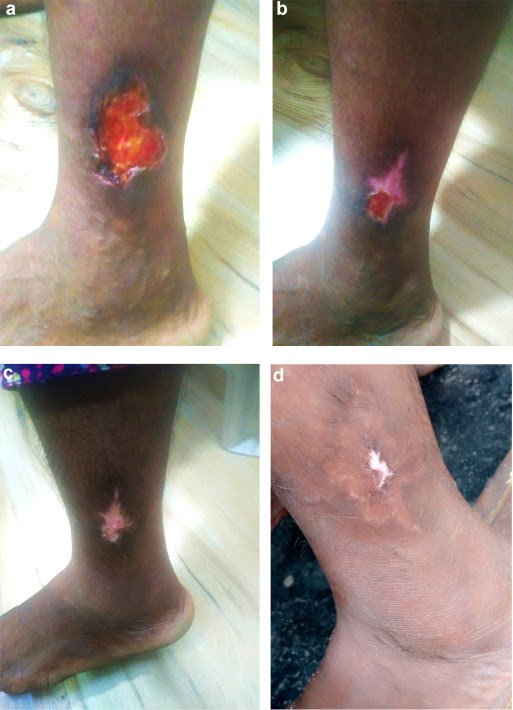
Non-healing ulcers represent a complex clinical challenge requiring more than routine dressings or repeated antibiotics. At Dnyan Raj’s TRUE HEALTH CARE nerul navi mumbai, under the guidance of Dr. Satish Sawale, chronic wound management is approached through classical Ayurvedic principles combined with modern clinical understanding — focusing on internal purification, tissue regeneration, and time-bound healing.


What is a non-healing ulcer?

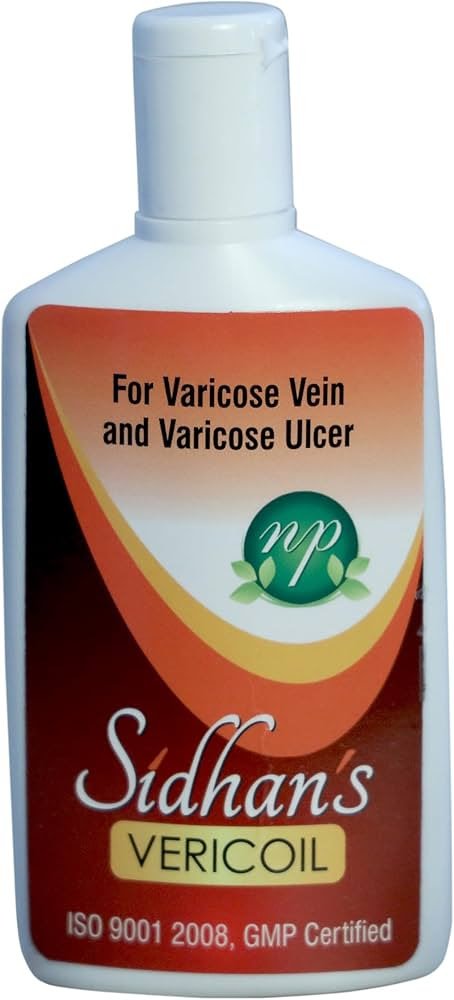
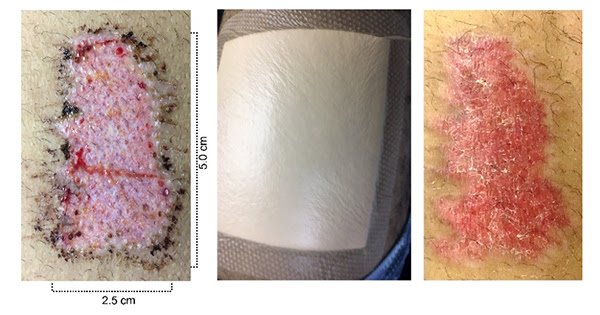
A non-healing ulcer is a wound that fails to show healing progress even after 4–6 weeks of appropriate medical care. Such ulcers commonly occur due to diabetes, varicose veins, post-surgical complications, or impaired circulation.

What are the main causes of non-healing ulcers?

The most common causes include uncontrolled diabetes, venous insufficiency (varicose veins), poor blood supply, nerve damage, post-joint replacement wounds, recurrent infection, and weakened tissue regeneration.

How does Ayurveda treat non-healing ulcers?

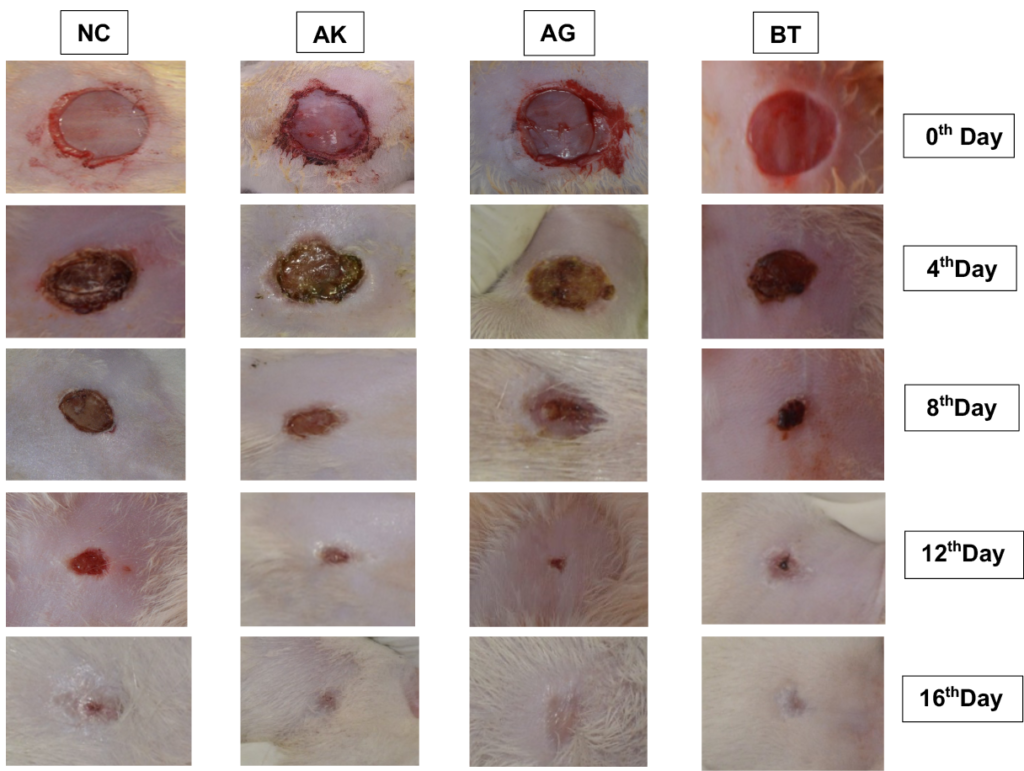
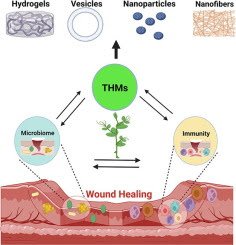
Ayurveda treats non-healing ulcers by correcting internal metabolic imbalance, detoxifying accumulated toxins, improving circulation, strengthening immunity, and promoting healthy granulation and tissue regeneration.

What is Dushta Vrana according to Ayurveda?

Dushta Vrana refers to a chronic, contaminated, or non-healing wound caused by doshic imbalance, poor tissue nourishment, infection, and impaired healing response.

Can Ayurvedic treatment heal diabetic foot ulcers?

Yes. Ayurvedic wound management helps improve blood circulation, immunity, and tissue vitality, making it highly beneficial for diabetic foot ulcers when managed under proper medical supervision.

Is Ayurvedic treatment effective for varicose vein ulcers?

Yes. Ayurveda addresses venous congestion, inflammation, and tissue hypoxia, thereby supporting gradual closure and reducing recurrence of varicose vein ulcers.

Can Ayurveda help after failed skin grafts?

Yes. Ayurvedic therapy improves wound bed quality and granulation tissue, significantly increasing the success rate of skin graft acceptance when plastic surgery is planned again.

How long does Ayurvedic treatment take for chronic ulcers?

Healing duration depends on ulcer size, chronicity, blood sugar control, and patient compliance. However, consistent improvement is usually observed within weeks under a structured treatment protocol.

Is Ayurvedic treatment safe for elderly patients?

Yes. Ayurvedic treatment is individualized and gentle, making it suitable for elderly patients with chronic or post-surgical non-healing wounds.

Does Ayurvedic treatment require surgery?

No. Ayurveda focuses on natural tissue regeneration. Surgery is advised only when medically unavoidable and can be supported effectively by Ayurvedic care.

What role does diet play in ulcer healing?

Diet is fundamental. A controlled, anti-inflammatory, digestion-friendly diet supports faster healing and prevents recurrence.

Can Ayurvedic treatment prevent recurrence of ulcers?

Yes. By strengthening tissues and correcting internal pathology, Ayurveda significantly reduces chances of ulcer recurrence.

Is Ayurveda useful alongside modern wound care or plastic surgery?

Yes. Ayurveda works safely as a supportive therapy alongside modern medical or surgical management to improve healing outcomes.

When should one consult an Ayurvedic doctor for ulcers?

If a wound shows no improvement within 2–3 weeks, has discharge, foul smell, increasing pain, or occurs in diabetic or post-surgical patients, early Ayurvedic consultation is strongly advised.

Where can patients get Ayurvedic treatment for non-healing ulcers in Navi Mumbai?

Patients can consult Dr. Satish Sawale at Dnyan Raj’s TRUE HEALTH CARE, Navi Mumbai, for structured Ayurvedic management of chronic and non-healing ulcers.

About the Treatment Philosophy

Dnyan Raj’s TRUE HEALTH CARE

At TRUE HEALTH CARE, wound healing is not forced — it is restored.

The treatment focuses on:

  • Internal detoxification (Shodhana)
  • Natural internal debridement
  • Promotion of healthy granulation
  • Rasayan-based tissue regeneration
  • Personalized diet and lifestyle regulation

This integrative Ayurvedic approach supports healing even in long-standing ulcers and improves outcomes when surgical intervention is required.

🔹 Nerul

  • Non healing ulcer treatment in Nerul
  • Ayurvedic doctor for chronic wounds Nerul
  • Diabetic foot ulcer treatment Nerul
  • Varicose vein ulcer Ayurveda Nerul
  • Dr Satish Sawale ulcer clinic Nerul

🔹 Seawoods

  • Non healing ulcer treatment in Seawoods
  • Ayurvedic wound care clinic Seawoods
  • Diabetic ulcer Ayurveda Seawoods
  • Chronic leg ulcer doctor Seawoods

🔹 Belapur

  • Non healing ulcer specialist Belapur
  • Ayurvedic treatment for ulcers Belapur
  • Post surgical wound healing Belapur
  • Dushta Vrana treatment Belapur

🔹 Vashi

  • Non healing ulcer treatment in Vashi
  • Diabetic foot ulcer clinic Vashi
  • Ayurvedic wound healing doctor Vashi
  • Varicose vein ulcer treatment Vashi

🔹 Panvel

  • Non healing ulcers Ayurvedic treatment Panvel
  • Chronic wound care clinic Panvel
  • Diabetic wound healing Panvel
  • Ayurvedic doctor for ulcers Panvel

🔹 Thane

  • Non healing ulcer treatment Thane
  • Ayurvedic diabetic ulcer care Thane
  • Chronic leg ulcer Ayurveda Thane
  • Best Ayurvedic wound healing clinic Thane

🌿 Clinical Message from Dr. Satish Sawale
“When internal healing begins, the wound follows naturally.”


Non-Healing Ulcers Treatment in Mumbai & Navi Mumbai

Ayurvedic Time-Bound Healing for Chronic Wounds

Non-healing ulcers are a growing medical concern in India, especially among diabetic patients, elderly individuals, and post-surgical cases. Many patients from Mumbai, Navi Mumbai, and across Maharashtra suffer from chronic ulcers that do not respond even after prolonged antibiotics, repeated dressings, or surgical procedures.

Ayurveda offers a scientific, time-bound, and regenerative approach to non-healing ulcers by correcting the internal causes of delayed healing and restoring the body’s natural tissue repair mechanism.


What Are Non-Healing Ulcers?

A non-healing ulcer is a wound that fails to heal within 4–6 weeks despite proper medical care.

Such ulcers commonly occur due to:

  • Varicose veins (venous ulcers)
  • Uncontrolled diabetes mellitus
  • Post-operative wounds after joint replacement surgeries
  • Pressure ulcers in elderly patients
  • Repeated infection or poor circulation
  • Poor acceptance of skin grafts

These wounds significantly affect mobility, work life, and emotional wellbeing.


Common Types of Non-Healing Ulcers Seen in Mumbai & Navi Mumbai

1. Varicose Vein Ulcers

Very common among working professionals and elderly patients in Maharashtra due to prolonged standing and venous insufficiency.

Symptoms include:

  • Swelling of legs
  • Dark pigmentation near ankle
  • Persistent open wound
  • Oozing and pain

2. Diabetic Non-Healing Ulcers

With the rising incidence of diabetes in India, diabetic foot ulcers are one of the leading causes of chronic wounds.

Reasons for delayed healing:

  • High blood sugar
  • Poor circulation
  • Reduced immunity
  • Nerve damage

Without proper management, these ulcers may progress to serious infections or amputation.


3. Post-Surgical Non-Healing Ulcers

After knee replacement, hip replacement, or orthopedic surgeries, some patients develop wounds that fail to close due to:

  • Tissue ischemia
  • Inflammation around implants
  • Weak regenerative capacity
  • Recurrent infection

4. Poor Skin Graft Acceptance

Many patients advised plastic surgery face partial or failed skin graft uptake because the wound bed is unhealthy and unable to support regeneration.


Ayurvedic Perspective: Dushta Vrana (Chronic Non-Healing Wound)

In Ayurveda, non-healing ulcers are described as Dushta Vrana.

A wound becomes chronic when there is:

  • Accumulation of toxins (Ama)
  • Disturbed digestion and metabolism (Agni)
  • Impaired blood circulation (Rakta Dushti)
  • Weak tissue nourishment (Dhatu Kshaya)
  • Vitiation of Vata, Pitta, and Kapha

Unless these internal factors are corrected, surface treatment alone cannot produce lasting healing.


How Ayurveda Treats Non-Healing Ulcers

Ayurvedic wound management is systemic + local, not limited to dressing.

1. Internal Debridement (Shodhana)

Ayurveda focuses on cleansing the internal environment through:

  • Detox therapies
  • Metabolic correction
  • Inflammation control

This helps the body naturally eliminate unhealthy tissue and prepares the wound bed for healing.


2. Promotion of Healthy Granulation

Ayurvedic medicines promote:

  • Improved microcirculation
  • Faster granulation tissue formation
  • Reduced discharge and foul smell
  • Natural contraction of wound edges

This is especially beneficial in long-standing diabetic and venous ulcers.


3. Rasayan Therapy (Regenerative Medicine)

Rasayan medicines strengthen:

  • Immunity
  • Tissue oxygenation
  • Collagen synthesis
  • Skin and muscle regeneration

These therapies are crucial for elderly patients and chronic wound cases.


4. Diet Regimen (Pathya Aahar)

A personalized diet plan is essential for healing:

✔ Blood sugar–friendly diet
✔ Anti-inflammatory nutrition
✔ Protein-supportive foods
✔ Avoidance of junk, fried, fermented and excess sweets

Correct diet significantly shortens healing time.


5. Lifestyle Synchronisation

Ayurvedic guidance includes:

  • Limb elevation for venous ulcers
  • Regulated sun exposure
  • Proper sleep and stress management
  • Local wound care as per doshic status

Benefits of Ayurvedic Treatment for Non-Healing Ulcers

  •  Time-bound healing approach
  •  Natural internal debridement
  •  Faster granulation tissue development
  •  Better skin graft acceptance when required
  •  Reduced recurrence
  •  Safe for long-term use
  •  Suitable for diabetic and elderly patients

Who Can Benefit Most?

Patients from Mumbai, Navi Mumbai, Thane, Panvel, Raigad, and across Maharashtra who suffer from:

  • Long-standing diabetic ulcers
  • Varicose vein ulcers
  • Recurrent surgical wounds
  • Delayed post-operative healing
  • Failed skin graft cases
  • Chronic leg ulcers

Why Ayurveda Is Trusted for Chronic Ulcer Healing

Ayurveda does not suppress symptoms.
It restores the body’s inherent healing intelligence.

When digestion, circulation, immunity, and tissue nourishment improve — wounds heal naturally, steadily, and safely.

This integrative approach makes Ayurveda highly valuable even as a supportive therapy alongside surgical or plastic surgery care.


Frequently Asked Questions (AEO Optimized)

Can Ayurvedic treatment heal non-healing ulcers permanently?

Yes. By correcting internal metabolic and circulatory factors, Ayurveda supports long-term healing and reduces recurrence.

How long does Ayurvedic treatment take for chronic ulcers?

Healing duration depends on ulcer size, duration, diabetes control, and patient compliance. Visible improvement is usually seen within weeks.

Is Ayurvedic treatment safe for diabetic patients?

Yes. Treatment is individualized and supports better metabolic control along with wound healing.

Can Ayurveda help if skin graft has failed?

Yes. Ayurveda improves wound bed health, which helps in better graft acceptance if plastic surgery is planned again.


Non-Healing Ulcer Treatment in Mumbai & Navi Mumbai

If you or your family member is suffering from a chronic wound that is not healing despite repeated treatments, an Ayurvedic, time-bound regenerative approach can offer reliable support.

Early intervention prevents complications and improves quality of life.


🌿 Healing is not forced — it is restored.

Non-Healing Ulcers: Causes, Challenges, and How Ayurveda Supports Time-Bound Healing

Non-healing ulcers are among the most distressing chronic conditions for patients. These wounds persist for weeks or months despite routine dressings, antibiotics, or even surgical interventions. They affect mobility, emotional health, and quality of life—and in severe cases, may lead to repeated hospital visits or amputation risk.

Common clinical situations where ulcers fail to heal include:

  • Varicose vein ulcers
  • Uncontrolled diabetes–related ulcers
  • Post-surgical non-healing wounds, especially after joint replacement surgeries
  • Ulcers advised for skin grafting but showing poor acceptance

Modern medicine focuses primarily on external wound care. Ayurveda, however, approaches non-healing ulcers from both local and systemic levels, addressing the internal environment that prevents healing.

Why Do Ulcers Fail to Heal?

A wound becomes non-healing when the body’s natural repair mechanism is impaired.

Major causes include:

1. Varicose Vein Ulcers

Due to prolonged venous congestion, poor circulation, tissue hypoxia, and repeated inflammation, healing becomes extremely slow.

2. Diabetic Non-Healing Ulcers

Persistently high blood sugar leads to:

  • Reduced immunity
  • Poor microcirculation
  • Nerve damage
  • Delayed granulation tissue formation

3. Post-Surgical Non-Healing Ulcers

After joint replacement or orthopedic surgeries, ulcers may persist due to:

  • Poor tissue vitality
  • Local ischemia
  • Inflammation around implants
  • Repeated infection or delayed tissue response

4. Failure of Skin Graft Acceptance

In many patients, grafts fail or survive only partially because the wound bed is unhealthy and incapable of supporting regeneration.

Ayurvedic Understanding of Non-Healing Ulcers

In Ayurveda, non-healing ulcers are described under Dushta Vrana.

A wound becomes “dushta” when there is:

  • Accumulation of toxins (Ama)
  • Impaired blood and tissue nutrition
  • Vitiation of Vata, Pitta, and Kapha
  • Poor regenerative capacity of Rakta, Mamsa, and Meda Dhatu

Unless these internal disturbances are corrected, no dressing or surgery can provide lasting healing.

Ayurveda’s Strength: Internal Debridement and Regenerative Healing

One of the most powerful contributions of Ayurveda is internal debridement—a concept rarely addressed in conventional care.

🔹 Internal Debridement (Shodhana)

Ayurvedic detox therapies help to:

  • Clear inflammatory toxins
  • Improve circulation
  • Reduce chronic infection tendency
  • Prepare the wound bed from within

This allows the body to naturally remove unhealthy tissue and supports clean wound margins.

Promoting Healthy Granulation and Tissue Growth

Ayurveda emphasizes Vrana Ropana (wound healing) through:

  • Improvement of microcirculation
  • Activation of tissue metabolism
  • Strengthening immune response
  • Supporting collagen formation

As a result:

  • Healthy granulation tissue forms faster
  • Discharge reduces
  • Foul smell and inflammation subside
  • Wound edges begin to contract naturally

Many patients who were advised skin grafting show remarkable improvement, and when grafting is still required, acceptance becomes significantly better due to a healthier wound bed.

Role of Diet Regimen (Pathya–Apathya)

Healing cannot occur without disciplined nutrition.

Ayurvedic dietary regulation focuses on:

✔ Easily digestible, protein-supportive foods
✔ Anti-inflammatory diet
✔ Controlled glycemic load (especially in diabetics)
✔ Avoidance of fermented, fried, excess sweet and junk foods

Food becomes medicine when chosen correctly—and poison when neglected.

Detox and Lifestyle Synchronisation

Ayurveda individualizes detox based on patient strength and wound chronicity, helping to:

  • Reduce systemic inflammation
  • Enhance circulation
  • Improve digestion and metabolism (Agni)
  • Support faster tissue repair

Sun exposure in a regulated manner, proper sleep, limb elevation (in venous ulcers), and stress control further accelerate healing.

Ayurvedic Rasayan: Restoring Healing Capacity

Rasayan therapy is not merely supplementation—it is biological rejuvenation.

These medicines:

  • Improve tissue oxygenation
  • Enhance immunity
  • Support collagen and epithelial regeneration
  • Reduce recurrence of ulcers

Rasayan medicines are especially valuable in:

  • Elderly patients
  • Long-standing diabetic ulcers
  • Post-surgical delayed healing
  • Recurrent venous ulcers

Time-Bound, Trust-Based Healing Approach

Ayurvedic wound management is not indefinite treatment.

With correct assessment and discipline:

  • Healing becomes predictable and time-oriented
  • Weekly clinical improvement is visible
  • Hospital dependency reduces
  • Quality of life improves steadily

Most importantly, healing occurs naturally—not forced, restoring the body’s own repair intelligence.

Conclusion

Non-healing ulcers are not merely skin problems—they are reflections of internal imbalance and impaired regeneration.

Ayurveda offers a trusted, holistic, and time-bounded healing pathway by combining:

  • Internal debridement
  • Detoxification
  • Diet regulation
  • Lifestyle synchronization
  • Rasayan regenerative medicines

This integrated approach not only promotes wound closure but also prepares tissues for better surgical outcomes when required—allowing even poorly accepted skin grafts to survive and heal effectively.

When the internal terrain heals, the wound follows.

Read more
01/02/2026Blog

Ayurvedic Treatment Benefits for Non-Healing Ulcers: A Natural & Holistic Solution

Non-healing ulcers are a serious and often painful medical condition that affects quality of life and overall health. When conventional treatments provide only temporary relief or fail to heal wounds completely, Ayurvedic treatment for non-healing ulcers offers a time-tested, holistic, and natural approach.

At Dnyan Raj’s True Health Care, under the expert guidance of Dr. Satish Sawale, patients receive personalized Ayurvedic care in Nerul, Maharashtra, Bharat.

This article explores how Ayurveda helps heal non-healing ulcers caused by:

  1. Gastric conditions
  2. Varicose veins
  3. Uncontrolled diabetes (diabetic foot ulcers)
  4. Skin graft rejection
  5. Post joint replacement complications

Understanding Non-Healing Ulcers in Ayurveda

In Ayurveda, non-healing ulcers (Dushta Vrana) occur due to an imbalance of Vata, Pitta, and Kapha doshas, poor blood circulation, toxin accumulation (Ama), and weakened tissue regeneration. Instead of treating symptoms alone, Ayurveda focuses on root-cause healing, detoxification, and strengthening the body’s natural repair system.

1. Ayurvedic Treatment Benefits for Gastric-Related Non-Healing Ulcers

Gastric ulcers and acidity-related wounds often worsen due to excess Pitta dosha.

How Ayurveda Helps

  • Calms excess acidity naturally
  • Heals internal tissues and improves digestion
  • Reduces inflammation and burning sensation

Key Therapies Used

  • Herbal medicines like Yashtimadhu and Shatavari
  • Dietary correction (Pitta-pacifying foods)
  • Gut-cleansing therapies

Benefit: Faster healing without dependency on long-term acid-suppressing drugs.

2. Ayurvedic Treatment for Varicose Vein Non-Healing Ulcers

Varicose vein ulcers are caused by poor blood circulation and venous pressure.

Ayurvedic Benefits

  • Improves blood circulation naturally
  • Strengthens blood vessels
  • Reduces swelling and pain

Therapies Involved

  • External herbal applications
  • Medicated oil massages
  • Internal blood-purifying medicines

Benefit: Healing without invasive surgery and reduced recurrence risk.

3. Ayurvedic Management of Diabetic Foot Non-Healing Ulcers

Uncontrolled diabetes delays wound healing and increases infection risk.

Why Ayurveda Is Effective

  • Helps regulate blood sugar levels naturally
  • Boosts immunity and tissue repair
  • Prevents infection and gangrene

Treatment Approach

  • Customized herbal formulations
  • Wound-cleansing therapies
  • Lifestyle and diet correction

Benefit: Limb-saving care with holistic diabetes control.

4. Ayurvedic Support for Skin Graft Rejection

Skin graft rejection occurs due to inflammation, infection, or immune reaction.

Ayurvedic Healing Advantages

  • Enhances tissue acceptance
  • Reduces inflammation naturally
  • Promotes healthy skin regeneration

Key Methods

  • Herbal wound dressings
  • Immune-balancing medicines
  • Detoxification therapies

Benefit: Improved graft survival and reduced dependency on steroids

5. Ayurvedic Care for Post Joint Replacement Non-Healing Wounds

Post-surgical wounds after joint replacement can become chronic due to poor circulation or infection.

Ayurvedic Benefits

  • Accelerates post-surgical healing
  • Strengthens muscles and tissues
  • Reduces stiffness and pain

Integrated Therapies

  • External herbal treatments
  • Panchakarma-based detox
  • Rejuvenation therapies

Benefit: Faster recovery and improved joint function

Why Choose Dnyan Raj’s True Health Care?

At Dnyan Raj’s True Health Care, patients benefit from:
  • Individualized treatment plans
  • Decades of Ayurvedic expertise
  • Natural, side-effect-free therapies
  • Focus on long-term healing, not temporary relief

Led by Dr. Satish Sawale, the clinic follows authentic Ayurvedic principles combined with modern understanding.

Frequently Asked Questions (FAQs)

1. Can Ayurveda completely heal non-healing ulcers?

Yes, when treated early and consistently, Ayurveda can significantly heal and manage chronic ulcers.

2. Is Ayurvedic treatment safe for diabetic patients?

Absolutely. Treatments are personalized and focus on safe blood sugar regulation.

3. How long does Ayurvedic ulcer treatment take?

Healing time depends on ulcer severity, overall health, and treatment adherence.

4. Are Ayurvedic treatments painful?

No. Most therapies are gentle, soothing, and non-invasive.

5. Can Ayurvedic treatment prevent recurrence?

Yes. Ayurveda corrects internal imbalances, reducing recurrence chances.

6. Is surgery required along with Ayurveda?

In many cases, Ayurveda reduces or avoids the need for surgery.

Conclusion

Ayurvedic treatment for non-healing ulcers offers a holistic, natural, and deeply effective solution for ulcers caused by gastric issues, varicose veins, uncontrolled diabetes, skin graft rejection, and post joint replacement. With expert care from Dr. Satish Sawale at Dnyan Raj’s True Health Care, patients experience not just wound healing, but total health restoration


Read more
01/02/2026Blog

Non-Healing Ulcers: An Ayurvedic Strategic & Tactical Healing Approach

Introduction

Non-healing ulcers represent one of the most complex challenges in modern clinical practice. Despite advanced wound dressings, prolonged antibiotics, Negative Pressure Wound Therapy (NPWT), and even repeated surgical procedures, many ulcers fail to heal completely.

Such wounds lead to persistent pain, restricted mobility, emotional distress, repeated hospital visits, and in advanced cases, risk of limb loss.

At Dnyan Raj’s TRUE HEALTH CARE, under the expert guidance of Dr. Satish Sawale, chronic ulcers are managed through a structured Ayurvedic healing strategy that addresses not only the wound surface but the internal biological environment essential for true regeneration.

What Is a Non-Healing Ulcer?

A wound is clinically classified as non-healing when it:

  • Persists beyond 4–6 weeks
  • Shows minimal or no granulation
  • Has continuous discharge or infection
  • Reopens after temporary closure
  • Does not respond to conventional wound care

Such ulcers are not isolated skin problems — they indicate systemic failure of tissue repair mechanisms.

Common Types of Non-Healing Ulcers

1. Varicose Vein Ulcers

Caused by chronic venous insufficiency, these ulcers are characterized by swelling, pigmentation, and persistent ankle wounds due to venous congestion and poor oxygenation.

2. Diabetic Foot Ulcers

Among the most serious chronic wounds in India, diabetic ulcers develop due to neuropathy, impaired circulation, reduced immunity, and high infection risk.

3. Post-Surgical Non-Healing Wounds

(After joint replacement or fracture fixation)

Delayed healing may occur due to tissue ischemia, implant-related inflammation, reduced regenerative capacity, or compromised circulation.

Ayurvedic Perspective: Dushta Vrana

Ayurveda describes chronic non-healing ulcers as Dushta Vrana — wounds that persist due to:

  • Accumulation of metabolic toxins (Ama)
  • Weak digestion and tissue metabolism (Agni)
  • Impaired blood tissue (Rakta Dushti)
  • Reduced vitality of muscle and skin tissues (Mamsa Dhatu Kshaya)
  • Tridosha imbalance

Unless these internal factors are corrected, external wound management remains incomplete.

Healing Philosophy at Dnyan Raj’s TRUE HEALTH CARE

The guiding principle followed by Dr. Satish Sawale is:

Healing cannot be forced externally — it must be restored internally.

Ayurvedic wound care therefore follows a strategic (root-cause correction) and tactical (local regeneration support) model.

Strategic Healing Approach (Internal Restoration)

1. Internal Detoxification (Shodhana)

Ayurvedic detox therapies help:

  • Remove inflammatory toxins
  • Improve microcirculation
  • Reduce chronic infection tendency
  • Support natural internal debridement

This prepares the wound bed biologically rather than mechanically.

2. Metabolic and Immune Correction

Treatment aims to:

  • Strengthen digestion and metabolism
  • Stabilize blood sugar in diabetic patients
  • Improve tissue oxygenation
  • Enhance immune surveillance

These factors are essential for sustained healing.

Tactical Healing Approach (Local Regeneration)

Promotion of Healthy Granulation

Ayurvedic formulations support:

  • Development of healthy granulation tissue
  • Reduction in discharge and odor
  • Natural wound edge contraction
  • Faster epithelialization

Rasayan Therapy – Regenerative Medicine

Rasayan medicines play a crucial role by:

  • Enhancing collagen synthesis
  • Improving tissue nutrition
  • Strengthening immunity
  • Preventing recurrence

They are especially valuable in elderly patients and long-standing ulcers.

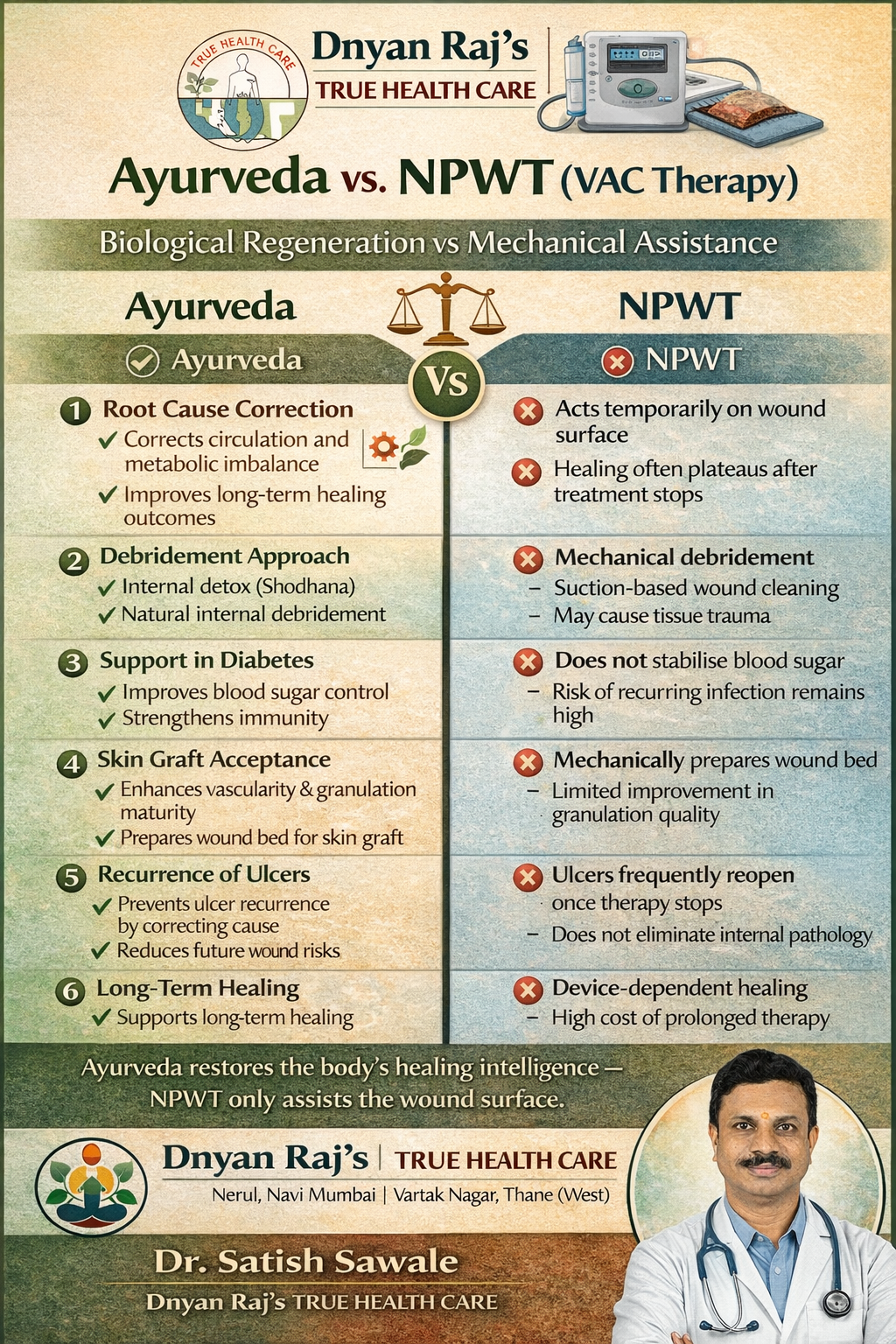
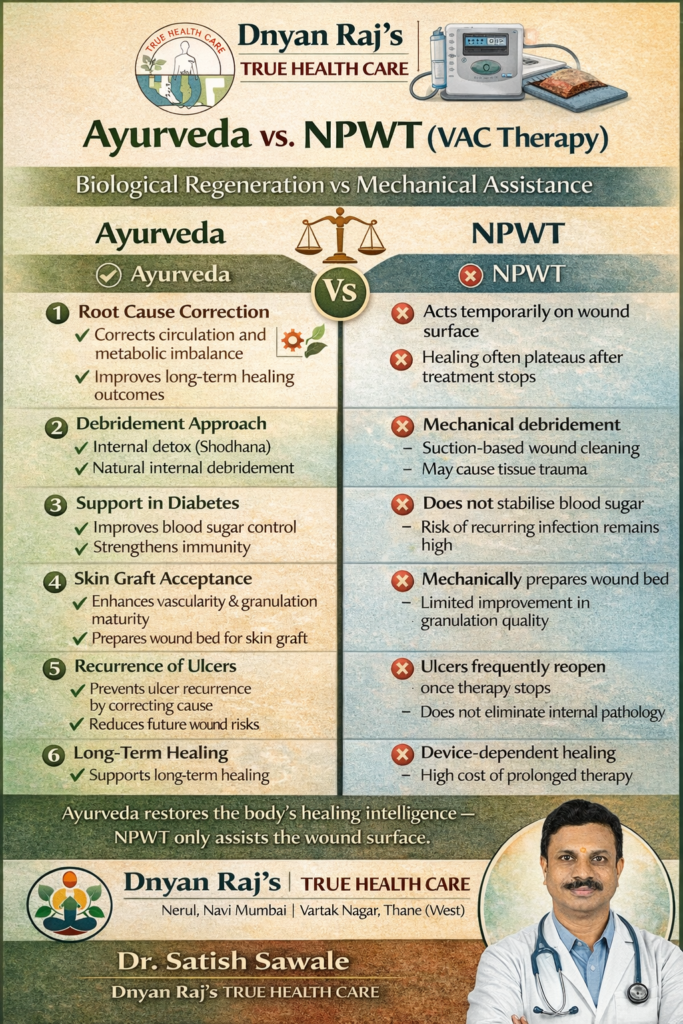
Comparison with NPWT (Negative Pressure Wound Therapy)

Negative Pressure Wound Therapy (VAC therapy) is widely used in modern wound management to remove exudate and promote temporary granulation. While beneficial in selected cases, NPWT has inherent limitations when used alone.

Key Clinical Differences

NPWT focuses primarily on mechanical assistance, whereas Ayurveda focuses on biological regeneration.

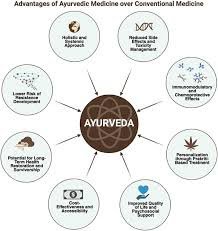
Advantages of Ayurvedic Healing:

  • Treats root metabolic and circulatory causes
  • Enables internal debridement without tissue trauma
  • Produces sustainable healing beyond therapy duration
  • Provides superior support in diabetic ulcers
  • Improves wound bed quality for skin graft acceptance
  • Reduces recurrence risk
  • Enhances patient comfort and compliance
  • Cost-effective for long-term chronic wounds

At TRUE HEALTH CARE, Ayurveda is often used alongside or following NPWT, ensuring deeper healing rather than temporary closure.

Role of Diet and Lifestyle Regulation

Healing is accelerated through:

  • Anti-inflammatory, digestion-friendly diet
  • Blood sugar–supportive nutrition
  • Avoidance of junk, fermented, and excess sweet foods
  • Limb elevation in venous ulcers
  • Regulated sun exposure
  • Adequate sleep and stress control

Diet functions as therapeutic support, not merely nutrition.

Support in Skin Graft and Plastic Surgery Cases

Ayurvedic therapy improves:

  • Wound vascularity
  • Granulation maturity
  • Tissue receptivity

This significantly increases skin graft survival and improves post-surgical healing outcomes.

Clinical Outcomes Observed

With disciplined treatment:

  • Pain and discharge reduce steadily
  • Granulation improves visibly
  • Wound margins contract naturally
  • Mobility improves
  • Recurrence risk decreases
  • Overall quality of life improves

Consultation Locations

Dnyan Raj’s TRUE HEALTH CARE
Under the guidance of Dr. Satish Sawale

📍 Nerul, Navi Mumbai
📍 Vartak Nagar, Thane (West)

Conclusion

Non-healing ulcers are manifestations of internal imbalance rather than isolated skin defects.

Ayurveda provides a scientific, regenerative, and time-bound healing pathway by restoring metabolism, circulation, immunity, and tissue vitality simultaneously.

When internal healing begins,
the wound follows naturally.

Read more
01/02/202601/02/2026Blog

Ayurvedic Management of Autoimmune Disorders

What Are Autoimmune Disorders?

Autoimmune disorders occur when the body’s immune system mistakenly attacks its own tissues, leading to chronic inflammation, pain, fatigue, and organ dysfunction.

Common autoimmune conditions include:

  • Rheumatoid arthritis
  • Psoriasis
  • Thyroid disorders (Hashimoto’s / Graves’)
  • Inflammatory bowel disease
  • Lupus and chronic inflammatory syndromes

Many patients experience sudden flare-ups, repeated hospital visits, and long-term medication dependency.

Ayurveda offers a root-cause–based, non-suppressive approach that helps stabilize immunity and prevents emergencies.

Ayurvedic Perspective on Autoimmune Disorders

According to Ayurveda, autoimmune disorders originate due to:

  • Weak digestive fire (Agnimandya)
  • Formation of Ama (toxic metabolic waste)
  • Disturbed dosha balance (mainly Vata–Pitta)
  • Impaired tissue nourishment (Dhatu dushti)
  • Reduction and contamination of Ojas (immunity essence)

When digestion and metabolism are disturbed for long periods, toxins circulate in the body and confuse immune intelligence.

  •  Ayurveda does not treat immunity as “overactive”
  •  It treats immunity as misdirected

Why Do Autoimmune Patients Face Sudden Emergencies?

Repeated flare-ups happen when:

  • Toxins accumulate silently
  • Digestion weakens further
  • Stress aggravates doshas
  • Tissues lose tolerance

This leads to sudden inflammation, pain, fever, swelling, fatigue, or organ stress — pushing patients into emergency care.

Ayurveda aims to stop this cycle before emergencies occur.

Ayurvedic Treatment Approach at Dnyan Raj’s TRUE HEALTH CARE

🌿 Step 1: Correcting Digestion (Agni Chikitsa)

Healing begins with strengthening digestion.

Benefits:

  • Stops toxin formation
  • Reduces inflammation naturally
  • Improves medicine absorption

Simple food corrections and Ayurvedic formulations play a key role.

🥗 Step 2: Personalized Anti-Inflammatory Diet

In Ayurveda, diet works as daily medicine.

Diet planning helps:

  • Calm autoimmune flare triggers
  • Support tissue repair
  • Maintain stable immunity

This diet is customized according to:

  • Body constitution (Prakriti)
  • Disease stage
  • Digestive strength

♻️ Step 3: Detox Therapy (Shodhana)

Once digestion improves, controlled detox therapy is advised.

This may include:

  • Virechana (Pitta detox)
  • Basti therapy (Vata immune regulation)
  • Internal detox protocols
  • Organ-specific purification

Detox helps remove:

  • Deep-seated toxins
  • Inflammatory waste
  • Channel blockages

Patients often notice marked reduction in flare frequency after this phase.

🌿 Step 4: Rasayan Therapy – Immune Rebuilding

After detox, Ayurveda focuses on rebuilding.

Rasayan therapy:

  • Restores damaged tissues
  • Improves immune intelligence
  • Enhances stress tolerance
  • Prevents disease recurrence

Unlike immune boosters, Rasayan therapy does not overstimulate immunity — it stabilizes it.

Benefits of Ayurvedic Autoimmune Management

  •  Reduced flare-ups
  •  Fewer emergency hospital visits
  •  Better digestion & energy
  •  Improved sleep and mental calmness
  •  Long-term disease stability
  •  Improved quality of life

Most patients regain confidence in their body and routine life.

Why Choose Ayurveda for Autoimmune Disorders?

  • Root-cause based treatment
  • Personalized therapy
  • No immune suppression
  • Focus on prevention
  • Long-term stability
  • Safe under medical supervision

Ayurveda supports healing, not dependency.


Read more
01/02/2026Blog

Successful Resolution of Constipation Across All Age Groups Through Ayurveda

Expert Care by Dr. Satish Sawale at Dnyan Raj’s TRUE Health Care, Nerul, Navi Mumbai

Constipation is not merely the absence of daily bowel movement. In Ayurveda, it is a Vata-dominant disorder involving impaired Apana Vayu, weakened Agni (digestive fire), disturbed gut motility, and emotional stress factors.

Modern lifestyle, hormonal transitions, dietary errors, suppressed natural urges, irregular sleep, and chronic stress have made constipation a common yet underestimated root cause of multiple diseases.

At Dnyan Raj’s TRUE Health Care, Nerul, Ayurvedic physician Dr. Satish Sawale offers individualized, safe, and long-term non-habit forming solutions for constipation across all life stages—without dependency on laxatives.

Why Constipation Must Be Treated Differently in Each Age Group

Ayurveda strongly emphasizes that the cause of constipation varies with age, physiology, hormones, occupation, and mental stress. Hence, one medicine cannot fit all.

Below is how constipation manifests differently in each population—and how it is successfully managed under expert Ayurvedic supervision.

1. Constipation in Pregnant Ladies

Unique Pathophysiology

  • Hormonal dominance (progesterone slows gut movement)
  • Pressure of growing uterus on intestines
  • Reduced physical activity
  • Iron and calcium supplements
  • Emotional fear and anxiety

Ayurvedic Approach

  • Gentle garbh-safe Vata anuloman
  • Regulation of Apana Vayu without uterine stimulation
  • Diet-based bowel correction
  • Mild herbal formulations safe in pregnancy
  •  No laxatives
  •  No dependency
  •  Safe for mother and fetus

Dr. Satish Sawale’s experience ensures complete safety during pregnancy.

2. Post-Delivery Mothers During Lactation

Causes

  • Dehydration during breastfeeding
  • Blood loss during delivery
  • Weak digestion
  • Disturbed Sleep pattern synching with newborn
  • Fear of pain due to stitches or hemorrhoids
  • Sleep deprivation

Ayurvedic Management

  • Strengthening Agni
  • Rehydration at tissue level (Rasa Dhatu)
  • Lactation-friendly herbs
  • Healing of pelvic floor and gut tone

Result:

  •  Smooth bowel movement
  •  Improved milk quality
  •  Reduced fatigue

3. Constipation in Kids

Common Reasons

  • Junk food
  • Low fiber
  • Excess milk intake
  • School stress
  • Suppression of natural urges

Ayurvedic Understanding

Children have immature Agni. Forceful medicines disturb growth.

Treatment Strategy

  • Taste-based herbal modulation
  • Digestive strengthening
  • Correction of gut flora
  • Habit training

Gentle, safe, and non-habit forming management is the hallmark at TRUE Health Care.

4. Constipation in Adolescents

Causes

  • Hormonal changes
  • Acne medications
  • Erratic food timing
  • Mobile addiction
  • Emotional suppression

Ayurveda views this as Vata–Pitta imbalance with Mandagni.

Treatment includes:

  • Gut–hormonal axis correction
  • Removal of Ama (toxins)
  • Lifestyle counseling
  • Long-term digestive stability

This also helps prevent future IBS, piles, and acidity.

5. Constipation in Married Couples

Often ignored but very common due to:

  • Irregular meals
  • Late dinners
  • Stress
  • Sedentary lifestyle
  • Poor sleep
  • Sexual health-related anxiety

Ayurveda addresses:

  • Digestive rhythm
  • Nervous system calmness
  • Metabolic correction
  • Gut motility restoration

Many couples report improvement not only in bowel habits but also in energy, mood, and overall vitality.

6. Constipation in Bull Workers / Heavy Labor Population

Causes

  • Dehydration
  • Excess sweating
  • Irregular food intake
  • Alcohol or tobacco use
  • Vata aggravation due to physical strain

Ayurvedic focus:

  • Electrolyte balance naturally
  • Strengthening digestion despite heavy work
  • Preventing fissure, piles, and abdominal cramps

This group requires robust yet nourishing Ayurvedic planning, expertly handled by Dr. Satish Sawale.

7. Constipation in Stressed Desk Population

Common in:

  • Office professionals
  • Managers
  • Corporate employees

Root causes:

  • Sitting long hours
  • Mental stress
  • Suppressed urge
  • Excess tea/coffee
  • Low water intake

Ayurvedic diagnosis:

“Manasika Nidana causing Vata prakopa in Pakwashaya”

Treatment includes:

  • Stress–gut axis healing
  • Nervine calming herbs
  • Digestive reset
  • Lifestyle micro-corrections

Result: Regular bowels without laxatives.

8. Late-Night IT Workforce Constipation

Very common in Navi Mumbai IT professionals.

Causes

  • Night shifts
  • Circadian rhythm disturbance
  • Late dinners
  • Sleep deprivation
  • Altered gut microbiome

Ayurveda calls this Kala Viparyaya Janya Agni Dushti.

Management includes:

  • Resetting biological clock
  • Timed herbal support
  • Night-shift specific diet planning
  • Preventing IBS, acidity, and fatty liver

This specialized approach makes TRUE Health Care a trusted clinic for IT professionals in Nerul.

9. Constipation in the Geriatric Population

Causes

  • Weak Agni
  • Reduced gut tone
  • Neurological slowing
  • Multiple medications
  • Fear of straining

Ayurvedic objectives:

  • Gentle bowel regulation
  • Strengthening colon muscles
  • Preventing dependency
  • Improving appetite and absorption

Safe, nourishing, and age-appropriate care is essential—and this is where experience matters most.

10. Constipation After Hospitalization and During or After Cancer Treatment (Chemotherapy & Radiation)

Constipation is extremely common yet deeply distressing in patients who have recently undergone hospitalization, major illness, surgery, chemotherapy, or radiation therapy.

In such cases, constipation is not isolated—it reflects systemic weakness, tissue depletion, and disturbed physiological intelligence of the body.

Unique Pathophysiology (Ayurvedic View)

From an Ayurvedic standpoint, this condition involves:

  • Severe Agni Mandya (digestive fire suppression)
  • Vata Prakopa due to tissue depletion (Dhatukshaya)
  • Dryness of colon caused by radiation
  • Chemotherapy-induced gut mucosal damage
  • Long-term use of opioids, antiemetics, steroids
  • Loss of appetite and fear of eating
  • Emotional trauma, anxiety, and uncertainty

Ayurveda classifies this as:

“Bala-hani, Agni-nasha and Apana Vata avarodha following Shodhana-like insult.”

This category requires extreme clinical maturity and therapeutic restraint.

Constipation During Chemotherapy Cycles

Common contributing factors:

  • Anti-nausea medications
  • Reduced food intake
  • Altered gut microbiome
  • Dehydration
  • Immobility
  • Suppressed urges due to weakness

Patients often suffer from:

  • Hard stools
  • Painful evacuation
  • Incomplete bowel emptying
  • Abdominal bloating
  • Fear of straining

Constipation After Radiation Therapy

Radiation causes:

  • Dryness and fibrosis of intestinal lining
  • Reduced peristalsis
  • Heat-induced Pitta–Vata imbalance
  • Chronic bowel irregularity

This constipation is often associated with:

  • Burning sensation
  • Flatulence
  • Loss of appetite
  • Fatigue
  • Weight loss

Ayurvedic Management Approach at TRUE Health Care

Under the guidance of Dr. Satish Sawale, constipation during or after cancer treatment is addressed with utmost safety, compassion, and customization.

Treatment objectives include:

  •  Protecting weakened tissues
  •  Supporting digestion without irritation
  •  Restoring gentle Apana Vayu movement
  •  Preventing straining and complications
  •  Improving appetite and comfort
  •  Supporting recovery without interfering with oncology treatment

No aggressive Panchakarma.
No strong purgatives.
No herb–drug conflict.

Only supportive, stage-appropriate, integrative Ayurvedic care.

Role of Rasayana Therapy in Post-CA Recovery

Once the active chemotherapy or radiation cycle stabilizes, Rasayana-based Ayurvedic support helps:

  • Improve gut lining recovery
  • Restore digestive intelligence
  • Reduce dryness and fatigue
  • Improve bowel rhythm naturally
  • Enhance overall quality of life

This approach supports the patient’s strength while respecting modern oncology protocols.


Why Ayurveda Offers Permanent Relief from Constipation

Unlike temporary laxatives, Ayurveda:

  •  Treats root cause
  • Restores gut rhythm
  • Strengthens digestion
  • Prevents recurrence
  • Improves overall health

Adds tone to Gut muscles

Constipation relief is not forced—it becomes natural and effortless.

Why Choose Dr. Satish Sawale

Dnyan Raj’s TRUE Health Care, Nerul, Navi Mumbai

  • Experienced Ayurvedic physician
  • Deep understanding of age-specific physiology
  • Personalized treatment protocols
  • Safe for pregnancy, lactation, children, and elderly
  • Trusted center for chronic constipation treatment in Navi Mumbai


Read more
26/01/202626/01/2026Blog

GERD and LAX LES

GERD and Lax Lower End of Oesophagus
An Ayurvedic Perspective for Long-Term Healing at TRUE HEALTH CARE
Understanding GERD and a Lax Lower Oesophageal Sphincter (LES)
Gastro-oesophageal Reflux Disease (GERD) occurs when acidic stomach contents repeatedly flow back into the oesophagus. A key anatomical reason behind this condition is laxity or weakness of the lower end of the oesophagus, medically referred to as the Lower Oesophageal Sphincter (LES).
When the LES loses tone:
Acid reflux becomes frequent
Burning sensation (heartburn) increases
Sour belching and regurgitation occur
Chest discomfort and throat irritation develop
Long-standing cases may progress toward Barrett’s oesophagus
Conventional medicine largely focuses on acid suppression, but often does not correct the root functional weakness of the digestive system.
Why GERD Becomes Chronic in Many Patients
From both modern and Ayurvedic understanding, GERD becomes recurrent due to:
Chronic constipation increasing intra-abdominal pressure
Poor gut motility
Weak smooth muscle tone of the gastrointestinal tract
Irregular eating habits
Stress and disturbed autonomic gut regulation
Long-term dependence on acid-suppressing drugs
Suppressing acid alone does not restore:
LES tone
Digestive fire (Agni)
Coordinated gut movement
This is where Ayurveda offers a deeper, corrective approach.
Ayurvedic Understanding of GERD (Amlapitta)
In Ayurveda, GERD closely correlates with Amlapitta, caused by imbalance of:
Pitta dosha (acidic, inflammatory component)
Vata dosha (motility and muscle tone regulator)
A lax LES is primarily a Vata dysfunction, while acid reflux symptoms are a Pitta manifestation.
Therefore, true healing requires:
Pacifying Pitta
Regulating Vata
Strengthening digestive musculature
Correcting bowel habits
Not merely neutralizing acid.
Unique Benefits of Ayurvedic Management at TRUE HEALTH CARE
Under the guidance of Ayurvedic Dr. Satish Sawale, GERD management is approached holistically and scientifically.
1. Correction of Chronic Constipation
Constipation is a silent but major contributor to reflux.
Ayurvedic management:
Softens stool naturally
Improves colonic movement
Reduces abdominal pressure on the stomach
Prevents backward acid push
This alone significantly reduces GERD recurrence.
2. Toning of Smooth Muscles of the GI Tract
Ayurvedic formulations help:
Improve tone of the lower oesophageal sphincter
Enhance gastric emptying
Normalize peristaltic movement
This functional strengthening is not achieved by PPIs or antacids.
3. Restoration of Digestive Fire (Agni)
Instead of blocking acid, Ayurveda:
Regulates acid production
Improves digestion quality
Prevents fermentation and gas formation
Reduces bloating and pressure reflux
Balanced Agni ensures food moves forward — not backward.
4. Long-Term Relief Without Dependency
Conventional medications often require:
Daily lifelong intake
Increasing dosages
Risk of rebound acidity
Ayurvedic management focuses on:
Reducing medicine dependency
Improving gut physiology
Achieving sustainable remission
Many patients gradually reduce and discontinue acid suppressants under supervision.
Comparative View: Ayurveda vs Conventional Treatment
Conventional Treatment
Ayurvedic Management
Aspect
Primary focus
Acid suppression
Root cause correction
Effect on LES tone
No improvement
Strengthens muscle tone
Constipation management
Often ignored
Core treatment
Dependency risk
High
Minimal
Long-term safety
Limited
Safer with supervision
Recurrence rate
Common
Reduced significantly

Why Choose Dr. Satish Sawale at TRUE HEALTH CARE

Dr. Satish Sawale offers:
Deep clinical understanding of chronic digestive disorders
Personalized Ayurvedic protocols
Integration of diet, medicine, and lifestyle correction
Focus on functional healing rather than temporary relief
At Dnyan Raj’s TRUE HEALTH CARE, each GERD patient undergoes:
Detailed digestive assessment
Evaluation of bowel pattern
Identification of Vata-Pitta imbalance
Structured long-term correction plan
This approach delivers not just symptom relief — but digestive confidence.
A Message of Reassurance
If you are suffering from long-standing acidity, frequent reflux, or have been told that your oesophageal valve is weak, understand this clearly:
GERD is manageable.
Weak digestion can be strengthened.
A lax LES can be functionally supported.
With the right Ayurvedic approach, your digestive system can regain balance — naturally and safely.
TRUE HEALTH CARE – Where Digestion is Healed from the Root Ayurvedic Care by Dr. Satish Sawale
Specialized in chronic GERD, acidity, constipation, and functional gut disorders.
Read more
24/01/2026Blog

Ayurveda and Cancer Care

Ayurveda is not limited to palliative care alone.
When applied at the right time, Ayurveda combined with expert clinical judgment can create remarkable outcomes, especially in recently detected conditions or metastatic (mets) cases.

Under the guidance of Dr. Satish, Ayurveda is practiced with precision, integrity, and compassion—focusing not just on symptom relief, but on supporting the body’s innate healing potential. Each patient receives individualized, evidence-guided care, ensuring safety alongside effectiveness.

At Dnyan Raj’s True Health Care, patients experience a rare balance of:

  • Professional medical ethics
  • Honest, realistic guidance
  • Warm, friendly, and approachable care

This is a space where hope is never exaggerated, promises are never false, and care is always patient-first. Families trust the clinic not only for its Ayurvedic expertise, but for its transparent communication and humane approach—especially during emotionally challenging diagnoses.

True Health Care stands for clarity, credibility, and compassionate Ayurveda—serving where it truly matters.

Read more
24/01/2026Blog

Posts pagination

< 1 2

Dnyan Raj’s TRUE HEALTH CARE

WhatsApp:+91 9373834203
Email: drajthc@gmail.com

Privacy Policy

Refund Policy

Ayurved | Homoeopath | Ritu Shuddhi and Rasayana therapy | Vajikaran service i.e. sexual health services | Panchkarma  Therapies | Ksharsutra for Ano-Rectal disorders |

Suvarna Prashan | Joint and Spine concerns | Neurological issues | Skin Hair and Nails. | Allergy services | Ayurvedic ENT EYE Oral Care service |

© 2026 Dnyan Raj's TRUE HEALTH CARE.