Skip to content
Dnyan Raj's TRUE HEALTH CARE

Dnyan Raj's TRUE HEALTH CARE

We Empower To Achieve Health Goals

  • Home
  • About Us
  • Service
  • Specialization
  • Charity OPD
  • Contact
Dnyan Raj's TRUE HEALTH CARE

Dnyan Raj's TRUE HEALTH CARE

We Empower To Achieve Health Goals

  • Home
  • About Us
  • Service
  • Specialization
  • Charity OPD
  • Contact

Ksharsutra treatment for piles

Dr. Satish Sawale as a trusted Ayurvedic specialist, while clearly differentiating Ksharsutra therapy from laser surgery. The language is patient-friendly, authoritative, and suitable for website, blog, or Google local ranking.

In the Era of Laser Surgery, Ayurvedic Ksharsutra by Dr. Satish Sawale Remains a Unique Boon for Pilonidal Sinus and Recurrent Fistula in Ano
In today’s medical world, laser procedures are widely promoted as advanced solutions for anorectal disorders. However, despite technological progress, recurrence of pilonidal sinus and fistula in ano after laser surgery remains a significant clinical challenge. This is where Ayurvedic Ksharsutra therapy, practiced with precision by Dr. Satish Sawale, emerges as a time-tested, scientifically validated, and outcome-oriented treatment modality.
At TRUE HEALTH CARE, Navi Mumbai, patients experience a unique blend of classical Ayurvedic wisdom and modern ambulatory care, offering long-term relief even in complex and recurrent cases.
Understanding the Challenge: Why Pilonidal Sinus and Fistula Recur
Pilonidal sinus and fistula in ano are not merely surface wounds. They involve:
Deep epithelial tracts
Chronic infection
Persistent pus pockets
Repeated inflammation
Improper healing from inside
Laser surgery often seals the external opening, but fails to eradicate the entire infected tract, leading to:
Recurrence within months
Repeated abscess formation
Multiple surgeries
Long-term dependency on antibiotics
This is why many patients across Navi Mumbai, Panvel, Kharghar, Vashi, Nerul, Belapur, and Thane actively reach for:
“Permanent treatment for fistula without surgery”
“Best doctor for recurrent fistula in Navi Mumbai”
“Pilonidal sinus Ayurvedic treatment near me”
Ksharsutra: A Proven Ayurvedic Surgical Specialty
Ksharsutra is a specialized Ayurvedic parasurgical procedure described in Sushruta Samhita and validated by modern research, including approval by the Central Council of Indian Medicine (CCIM) and recognition by the Ministry of AYUSH.
Unlike laser, Ksharsutra works on the root pathology.
How Ksharsutra Works
A medicated alkaline thread prepared with:
Apamarga Kshara
Snuhi latex
Haridra (turmeric) is gently placed inside the fistulous tract or sinus.
This thread:
Gradually cuts through unhealthy tissue
Drains infection continuously
Destroys residual epithelial lining
Promotes healthy granulation from within
Prevents recurrence
Healing occurs from inside out, which is the key reason for its long-term success.
Why Dr. Satish Sawale’s Ksharsutra Practice Is Truly Unique
In the era dominated by lasers, Dr. Satish Sawale, an experienced Ayurvedic surgeon, continues to deliver consistently successful outcomes through refined Ksharsutra technique.
What Makes His Approach Distinct
Deep expertise in recurrent and post-surgical fistula cases
Precise tract assessment using Ayurvedic and clinical parameters
Minimal tissue trauma
Completely ambulatory treatment – no hospital admission
Safe even for diabetic and elderly patients
Structured follow-up protocol ensuring complete healing
Patients who have failed laser or conventional surgery often find lasting relief under Dr. Satish Sawale’s care.
Ambulatory Treatment: Heal Without Hospitalization
One of the greatest advantages of Ksharsutra therapy at TRUE HEALTH CARE is that it is an OPD-based ambulatory procedure.
Patients can:
Walk immediately after procedure
Resume daily routine
Avoid prolonged bed rest
Experience minimal pain
Prevent work loss
This makes it ideal for IT and  professionals, frequent flyer drivers, business owners, and working individuals.
Ksharsutra vs Laser Surgery – A Practical Comparison
Ksharsutra Therapy
Parameter
Laser Surgery
Focus
External closure
Root eradication
Infection drainage
Limited
Continuous
Recurrence rate
Moderate to high
Very low
Hospital stay
Often required
Not required
Cost
High
Cost-effective
Long-term outcome
Variable
Stable & durable
This is why many colorectal surgeons themselves acknowledge that Ksharsutra remains the gold standard for complex and recurrent fistula in ano.
Conditions Successfully Treated by Dr. Satish Sawale
Recurrent fistula in ano
High anal fistula
Multiple branching fistula
Post-laser recurrence
Pilonidal sinus with repeated discharge
Chronic non-healing sinus
Patients from Navi Mumbai and Raigad district increasingly prefer Ayurvedic Ksharsutra when modern surgery fails.
Why Patients Trust TRUE HEALTH CARE, Navi Mumbai
Dedicated Ayurvedic surgical care
Ethical guidance and transparent explanation
Individualized treatment planning
Focus on permanent cure, not temporary relief
Strong clinical follow-up until complete healing
Dr. Satish Sawale believes that true healing lies not in speed, but in correctness of treatment.
A Timeless Therapy in a Modern Era
While laser symbolizes speed, Ksharsutra symbolizes precision, biological intelligence, and permanence.
In an age of fast procedures and faster recurrences, Ayurvedic Ksharsutra stands tall as a scientifically relevant, clinically dependable, and patient-friendly solution.
Under the expert hands of Dr. Satish Sawale, this ancient Ayurvedic specialty becomes a modern boon for patients suffering from pilonidal sinus and recurrent fistula in ano.

Book Your Consultation

To start your personalized 21-day liver detox in Navi Mumbai’s Nerul area, contact Dnyan Raj’s True Health Care and schedule a consultation with Dr. Satish Sawale.

#Best Ksharsutra doctor in Navi Mumbai
#Dr Satish Sawale fistula treatment
#Pilonidal sinus Ayurvedic treatment Navi Mumbai
#Recurrent fistula in ano permanent cure
#Ksharsutra specialist near me
Fistula treatment without surgery
#Ayurvedic surgeon in Navi Mumbai
#TRUE HEALTH CARE Ksharsutra clinic
#Dnyan Raj’s TRUE HEALTH CARE
Read more
31/01/2026Featured

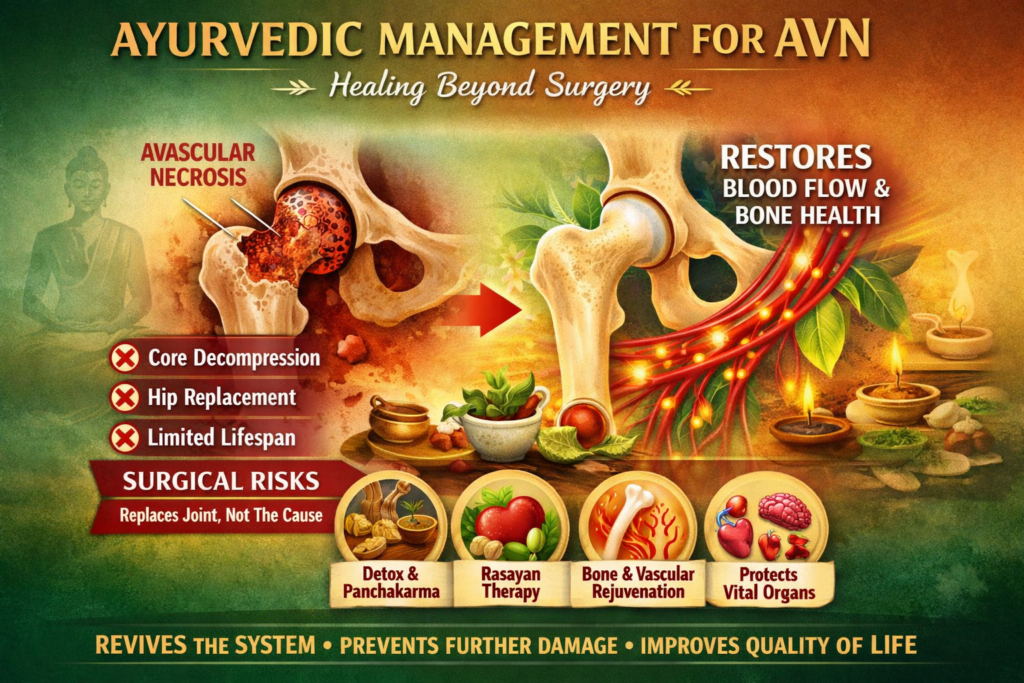
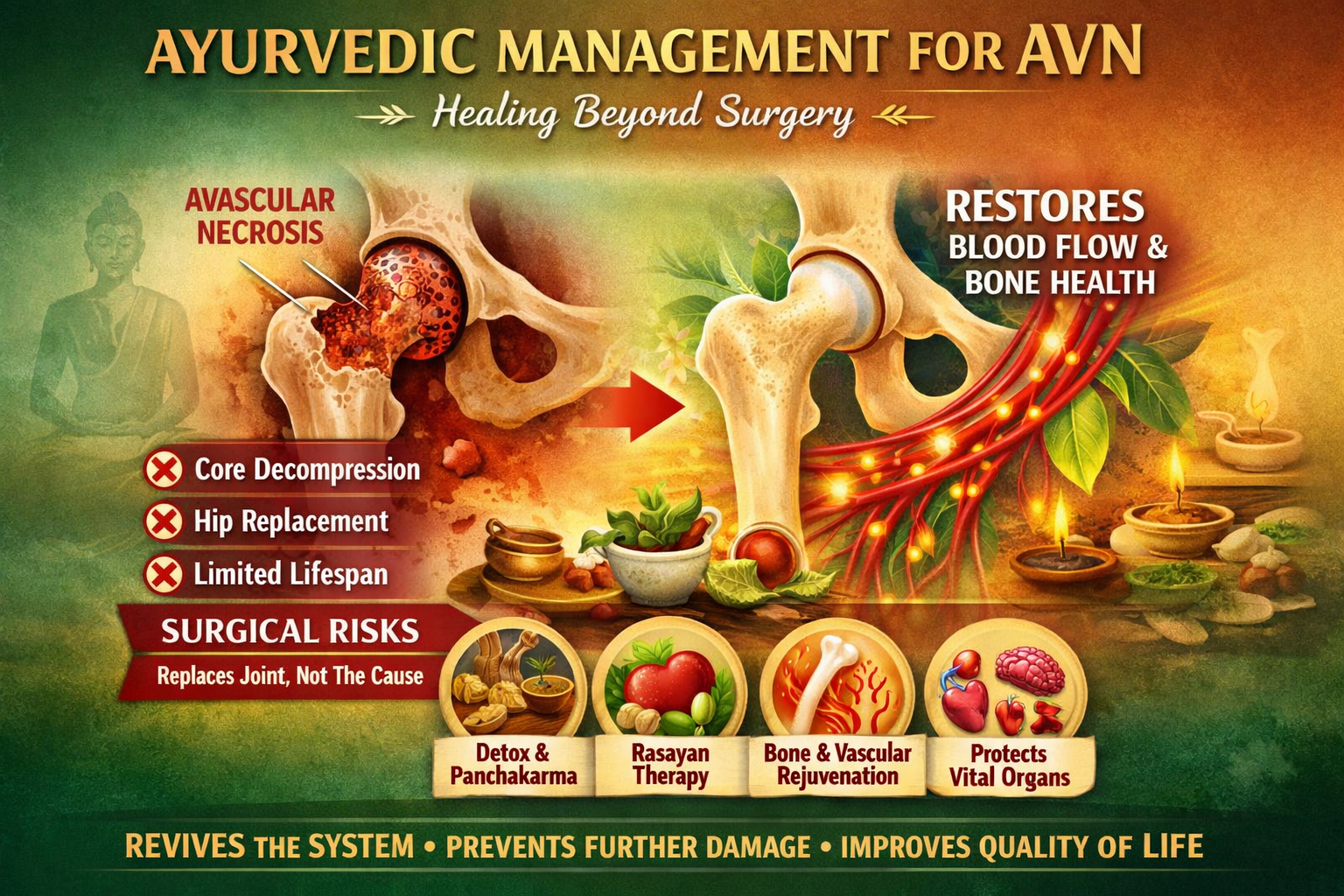
Ayurvedic Therapy and Rasayan Management for AVN

A Holistic Advantage Over Surgical Options

Avascular Necrosis (AVN) is a progressive bone disorder caused primarily due to compromised blood supply to bone tissue, most commonly affecting the femoral head of the hip joint. As blood circulation reduces, bone cells gradually die, leading to structural collapse, severe pain, restricted mobility, and eventual joint degeneration.

What makes AVN especially concerning is that it predominantly affects individuals in their productive age group (25–50 years)—professionals, working adults, and active individuals—often resulting in long-term disability if not addressed early.

While modern medicine largely focuses on surgical correction, Ayurveda offers a comprehensive, vessel-centric, tissue-rejuvenating approach that works at the root cause.

Understanding AVN from an Ayurvedic Perspective

Ayurveda does not view AVN merely as a bone disease.

It is understood as a complex pathology involving:

  • Rakta Dhatu Dushti (vitiation of blood)
  • Srotorodha (blockage of micro-channels and blood vessels)
  • Asthi Dhatu Kshaya (bone tissue degeneration)
  • Vata Prakopa (aggravated Vata causing degeneration and pain)
  • Long-standing impact of steroids, alcohol, metabolic disorders, trauma, or autoimmune imbalance

Thus, AVN is not isolated to the hip alone—it reflects systemic vascular and metabolic compromise.

Why Surgical Options Have Limitations

Conventional management often includes:

  • Core decompression
  • Bone grafting
  • Total hip replacement

Although surgery may provide structural relief, it has important concerns:

  • Does not correct underlying vascular pathology
  • Artificial joints have limited lifespan
  • Revision surgeries may be required
  • Not ideal for young or middle-aged patients
  • No impact on future risk to other joints or vital organs

Surgery treats the end stage, not the disease process.

Ayurvedic Advantage: Treating the Root Cause

Ayurveda offers a distinct advantage by addressing the health of blood vessels and tissue nutrition, which is the core pathology in AVN.

Key Strength of Ayurvedic Management:

  •  Improves micro-circulation
  •  Restores blood vessel integrity
  •  Nourishes bone marrow and bone tissue
  •  Prevents progression and collapse
  •  Protects heart, liver, kidneys, and brain from long-term vascular damage

Ayurvedic Therapy Protocol for AVN

1. Shodhana Chikitsa (Detoxification Therapy)

Customized Panchakarma therapies help remove deep-seated blockages from micro-channels:

  • Virechana – detoxification of blood and metabolism
  • Basti (medicated enemas) – most important therapy for Asthi and Vata disorders
  • Helps reopen obstructed circulation pathways

This step is crucial in halting further necrosis.

2. Rasayan Management – The Core of AVN Reversal

Rasayan therapy is the backbone of Ayurvedic AVN management.

It focuses on:

  • Regeneration of damaged tissues
  • Strengthening blood vessels
  • Improving oxygen delivery to bone cells
  • Slowing or reversing degeneration

Important Rasayan actions include:

  • Rakta Prasadana – purification and nourishment of blood
  • Asthi Poshana – bone and marrow rejuvenation
  • Srotoshodhana – clearing blocked micro-circulation

Unlike painkillers, Rasayan works at a cellular level.

3. Herbo-Mineral Formulations (Under Expert Supervision)

Classical Ayurvedic formulations are selected based on stage, cause, and constitution:

  • Improve bone density
  • Enhance vascular tone
  • Support marrow regeneration
  • Reduce inflammation without damaging organs

When used judiciously, they are safe, effective, and long-term supportive.

4. External Therapies

  • Abhyanga (medicated oil massage)
  • Swedana (therapeutic fomentation)
  • Localized basti or pichu therapies

These help reduce pain, stiffness, and improve joint mobility naturally.

Preventing Damage to Core Vital Organs

One of Ayurveda’s greatest strengths is its preventive vision.

AVN reflects systemic vascular weakness, which—if ignored—may later affect:

  • Heart (ischemic tendencies)
  • Liver (fatty changes, toxicity)
  • Kidneys (microvascular damage)
  • Brain (circulatory insufficiency)

Ayurvedic therapy strengthens entire vascular health, not just the affected joint—thereby preventing future complications.

Who Benefits Most from Ayurvedic AVN Management?

Ayurvedic treatment shows best outcomes in:

  • Stage I and Stage II AVN
  • Early Stage III (before collapse)
  • Patients advised surgery but wanting conservative management
  • Post-surgical patients to prevent further joint involvement

Even in advanced stages, Ayurveda helps in pain control, slowing degeneration, and improving quality of life.

Conclusion: Ayurveda as a Hope Before Replacement

AVN is not merely a bone problem—it is a blood vessel disorder leading to bone death.

Where surgery replaces the joint,
Ayurveda revives the system.

Through:

  • Rasayan therapy
  • Vascular rejuvenation
  • Bone nourishment
  • Whole-body metabolic correction

Ayurveda offers a scientific, holistic, and sustainable solution, especially crucial for individuals in their productive years who wish to avoid early joint replacement.

With timely intervention and expert guidance, progression can be controlled, function preserved, and life restored with confidence.

Read more
31/01/2026Featured

Ayurved’s Care for Demetia and Alziemer

Graceful, Independent Aging Through Ayurveda

Hopeful Outcomes and Compassionate Care for Alzheimer’s Disease and Dementia

At Dnyan Raj’s TRUE HEALTH CARE, Nerul – Under the Guidance of Ayurvedic Dr. Satish Sawale

Aging is a sacred phase of life—meant to unfold with dignity, clarity, and emotional peace. Yet conditions such as Alzheimer’s disease and dementia often challenge this natural journey, affecting memory, orientation, confidence, and independence. These disorders do not impact only the individual; they touch entire families emotionally, physically, and socially.

While modern medicine focuses largely on symptom control and disease progression, Ayurveda offers a deeper, more humane dimension of care—supporting not only the brain, but the entire system that sustains cognition, emotions, and vitality.

At Dnyan Raj’s TRUE HEALTH CARE, Nerul, Ayurvedic Dr. Satish Sawale provides structured, compassionate, and individualized Ayurvedic management aimed at enabling graceful, more independent aging, even in neurodegenerative conditions.

Understanding Alzheimer’s and Dementia Through the Ayurvedic Lens

Ayurveda describes memory and cognitive decline under classical concepts such as:

  • Smriti Bhramsha – impairment of memory
  • Medha Kshaya – reduction in intellect and comprehension
  • Mano Vaha Srotas Dushti – disturbance in mental and neural channels
  • Predominance of Vata Dosha, especially Prana, Udana, and Vyana Vata

With advancing age, Vata naturally increases, leading to dryness, degeneration, instability of thoughts, disturbed sleep, fear, anxiety, and confusion.

Thus, Ayurveda does not isolate dementia as only a brain disorder—it understands it as a systemic depletion of nourishment, circulation, and vitality affecting the mind–body axis.

The Ayurvedic Strength: Addressing the Root Cause

Rather than suppressing symptoms, Ayurvedic therapy works at foundational levels:

  • Enhancing cerebral circulation
  • Nourishing Majja Dhatu (nervous tissue)
  • Supporting synaptic communication
  • Stabilizing aggravated Vata
  • Strengthening digestion and metabolism (Agni)
  • Restoring emotional equilibrium

This integrated approach often results in meaningful improvements in daily functioning—an outcome of immense value to both patients and caregivers.

Specialized Ayurvedic Therapies in Dementia Care

Under the clinical guidance of Dr. Satish Sawale, therapies are personalized based on age, disease stage, physical strength, and associated illnesses.

1. Medhya Rasayana Therapy

Classical formulations using Brahmi, Shankhpushpi, Mandukaparni, Guduchi, and Ashwagandha support cognition, memory, emotional calmness, and neural nourishment.

2. Panchakarma-Based Neuro Support (When Suitable)

  • Shirodhara – stabilizes mental activity
  • Shiro Abhyanga – improves circulation and sensory coordination
  • Shiro Pichu 2nd best vicharna after Shirodhara.
  • Nasya Karma – directly nourishes brain pathways
  • Basti Therapy – the most effective treatment for Vata disorders

These therapies often bring improvement in sleep, agitation, anxiety, appetite, and emotional stability.

3. Digestive and Metabolic Optimization

Correcting digestion reduces toxin accumulation (Ama), improves nutrient assimilation, and indirectly strengthens brain function—an often-overlooked yet vital step.

4. Daily Routine and Lifestyle Stabilization

Structured routines, warm diets, oil application, gentle stimulation, and proper sleep cycles create predictability—essential for cognitive stability in the elderly.

Aging Population — A Living Asset for Families and the Nation

In every civilization, elders have been the silent pillars of balance and continuity. Aging should never be perceived as a burden—it represents a living reservoir of wisdom, experience, and emotional intelligence.

Senior citizens contribute:

  • Deep professional and life expertise
  • Calm decision-making shaped by decades of experience
  • Emotional maturity during conflict or crisis
  • Guidance rooted in patience rather than impulse

Within families, elders often become the anchors of harmony, helping navigate conflicts with compassion and clarity. Their presence fosters emotional security, cultural continuity, and moral grounding for younger generations.

From a national perspective, an aging population is not a liability—it is a social asset. When supported physically and cognitively, seniors continue to serve as mentors, advisors, caregivers, and ethical compasses.

Ayurveda honors this philosophy profoundly. By preserving mental clarity, emotional balance, and independence, Ayurvedic care does not merely support individuals—it protects wisdom itself, ensuring that families and society continue to benefit from the calm strength of their elders.

Observed Outcomes With Consistent Ayurvedic Care

Though Alzheimer’s and dementia are progressive conditions, Ayurvedic care focuses on quality of life and functional stability, not unrealistic promises.

Patients under sustained Ayurvedic management often experience:

  • Improved orientation and awareness
  • Reduced anxiety and restlessness
  • Better sleep patterns
  • Improved appetite and digestion
  • Enhanced cooperation in daily activities
  • Slower functional decline in early and moderate stages
  • Reduced caregiver stress

These improvements bring emotional relief and restore dignity in everyday living.

Graceful, Independent Aging — The True Goal of Ayurveda

Ayurveda teaches that aging should be graceful, not fearful.

Independence is not merely about perfect memory—it is about peace of mind, emotional stability, meaningful relationships, and preserved self-respect.

This philosophy forms the foundation of care at Dnyan Raj’s TRUE HEALTH CARE, Nerul.

Compassionate Expertise You Can Trust

Ayurvedic Dr. Satish Sawale brings together:

  • Classical Ayurvedic wisdom
  • Clinical precision
  • Long-term neuro-degenerative care experience
  • Family-inclusive treatment planning

Each patient receives an individualized roadmap—because every mind, every age, and every journey is unique.

A Gentle Message for Families

Caring for someone with dementia requires patience, understanding, and support. With the right guidance, it is possible to restore calmness, comfort, and dignity to daily life.

Ayurveda may not promise miracles—but it consistently offers hope, stability, and humane care.

Read more
31/01/2026Featured

3 pillars of life

Synergy of the Three Pillars

When diet, sleep, and Brahmacharya function together:
Digestion fuels tissues properly
Sleep restores nervous system
Energy is preserved and refined
This creates:
Strong body
Calm mind
Creative intellect
Stable emotions
Long-lasting professional productivity
Ayurveda calls this state Swastha — complete well-being, not absence of disease.
Creative Engagement and Professional Excellence
Modern professions demand more than knowledge:
Innovation
Emotional intelligence
Consistency
Stress tolerance
Ethical decision-making
These qualities naturally emerge when the three pillars are balanced.
Such individuals:
Remain enthusiastic despite workload
Handle authority without arrogance
Perform sustainably across decades
Maintain health even at senior leadership levels
This is why Ayurveda views health as the foundation of success, not a separate goal.

Ayurvedic Guidance by Dr. Satish Sawale

At Dnyan Raj’s TRUE HEALTH CARE, Nerul, Navi Mumbai,
Dr. Satish Sawale offers structured Ayurvedic evaluation and guidance focusing on:
Personalized diet planning
Digestive and metabolic correction
Sleep regulation protocols
Nervous system rejuvenation
Lifestyle and energy management
Preventive and Rasayana-based care
These services support:
Working professionals
Corporate executives
Entrepreneurs
Students
Aging individuals seeking graceful, independent living

Conclusion

The Three Pillars of Life are not ancient theory — they are timeless biological laws.
When diet nourishes correctly, sleep heals deeply, and energy is used wisely, the human system becomes powerful, creative, and resilient.
Ayurveda teaches us that true growth in professional hierarchy is sustainable only when health grows alongside success.

For those seeking holistic well-being, mental clarity, and long-term vitality, Ayurvedic care under Dr. Satish Sawale at Dnyan Raj’s TRUE HEALTH CARE, Nerul, Navi Mumbai, provides authentic guidance rooted in classical wisdom and modern clinical understanding.

Read more
31/01/2026Featured

21-Day Liver Detox for Fatty Liver — Ayurveda Protocol by Dr. Satish Sawale at Dnyan Raj’s True Health Care, Nerul, Navi Mumbai

Fatty liver disease is increasingly common, especially among urban populations facing lifestyle stress, poor diets, and metabolic imbalance. Ayurveda offers a safe, natural liver detox approach that supports liver function, reduces fat accumulation, and restores metabolic harmony.

At Dnyan Raj’s True Health Care in Nerul, Navi Mumbai, Dr. Satish Sawale guides patients through a 21-day liver detox program rooted in classical Ayurvedic principles and modern lifestyle science.

What Is Fatty Liver and Why Detox Matters

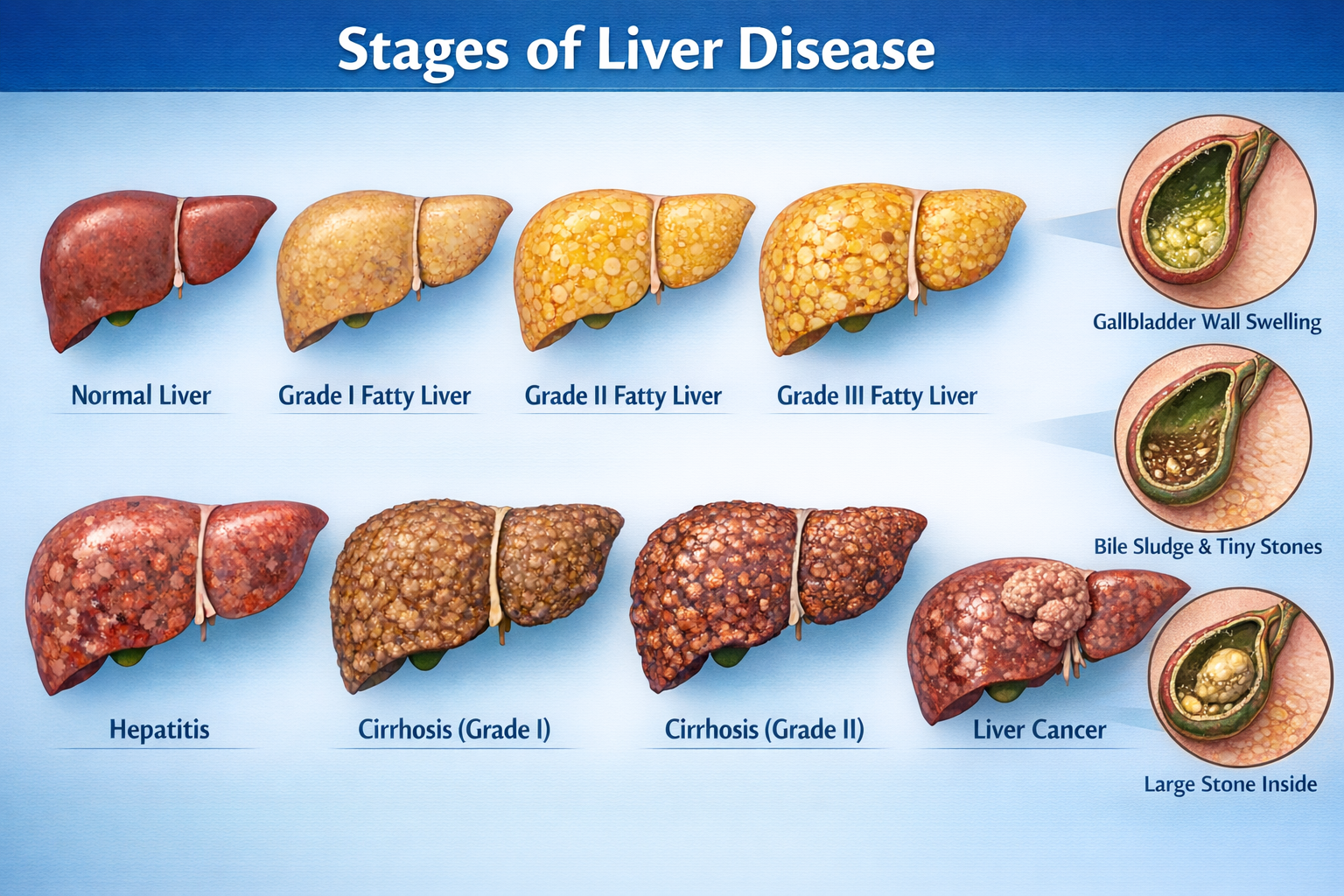
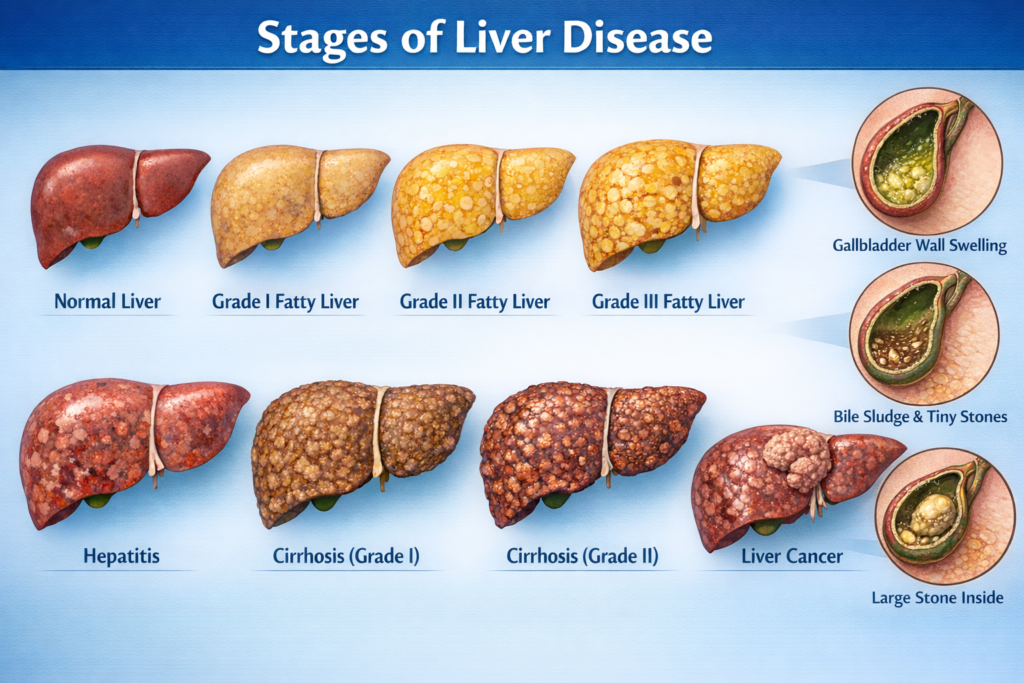
Fatty liver (Steatosis) occurs when fat builds up in liver cells. Over time, this can lead to inflammation, fibrosis, and impaired liver function. Detoxing the liver helps clear metabolic toxins, rebalance digestion, and improve fat metabolism.

Common symptoms include:

  • Persistent fatigue
  • Abdominal discomfort
  • Digestive sluggishness
  • Unexplained weight gain

Without intervention, fatty liver can progress. A structured, holistic detox can reverse early stages and support long-term liver health.

Why Choose Ayurveda for Liver Detox

Ayurveda addresses the root causes of imbalance rather than just symptoms. According to Ayurvedic physiology:

  • Healthy digestion (Agni) is essential
  • Toxins (Ama) accumulate due to weak metabolism
  • Liver imbalance relates to Pitta and Kapha doshas

Ayurveda combines diet, herbal support, lifestyle practices, and cleansing routines tailored to individual dosha types.


21-Day Liver Detox Protocol — Overview

This program has three phases:

  1. Preparation (Days 1–7): Gentle diet reset + digestion strengthening
  2. Active Detox (Days 8–17): Liver-supporting herbs + cleansing routines
  3. Rebuilding (Days 18–21): Nourishment + metabolic reinvigoration

Each phase is customized to the individual based on health history, dosha evaluation, and lab parameters.

Phase 1: Preparation (Days 1–7)

Dietary Guidelines

  • Warm, cooked foods: Whole grains (rice, barley), moong dal
  • Fresh vegetables: Bottle gourd, ash gourd, leafy greens
  • Eliminate: Fried foods, processed sugars, alcohol, dairy (if kapha-dominant)
  • Hydration: Warm water with lemon and ginger

Herbal Supports

  • Trikatu churna: For digestion
  • Amla (Indian gooseberry): Vitamin C & antioxidant

Lifestyle

  • Early rising (before sunrise)
  • Light exercise: 20–30 minutes walking


Phase 2: Active Detox (Days 8–17)

Herbal Regimen

Under Dr. Satish Sawale’s guidance, herbs are selected to support liver cleansing and fat metabolism:

  • Bhumyamalaki (Phyllanthus niruri): Liver protective
  • Kutki (Picrorhiza kurroa): Detox support
  • Kalmegh (Andrographis paniculata): Anti-inflammatory
  • Turmeric: Natural antioxidant

Cleansing Practices

  • Warm water sipping throughout the day
  • Abhyanga (self-oil massage): With sesame or medicated oils to stimulate lymphatic drainage
  • Steam therapy (Swedana): Optional, based on practitioner advice

Digestive Support

  • Triphala: Daily in the evening to support bowel regularity

Phase 3: Rebuilding (Days 18–21)

Nutrition

  • Gradually reintroduce light proteins
  • Continue fiber-rich vegetables and whole grains
  • Include buttermilk or probiotic foods if digestion is strong

Lifestyle

  • Mind-body practices: Yoga for liver health (twists), pranayama

Follow-Up

  • Final assessment at True Health Care
  • Personalized maintenance plan

Benefits of the 21-Day Liver Detox

This structured detox protocol can:

  • Reduce liver fat accumulation
  • Improve digestion and metabolism
  • Increase energy levels
  • Enhance detoxification pathways
  • Support healthy body weight

Patients in Nerul, Navi Mumbai have experienced improved lab markers, sustained weight loss, and enhanced well-being under Dr. Satish Sawale’s supervision.

Who Should Consider This Program?

This program is suitable for adults with:

  • Diagnosed fatty liver (ULTRASOUND/SGPT/SGOT markers)
  • Metabolic imbalance
  • Digestive complaints related to poor diet/lifestyle

Not recommended without professional supervision in cases of advanced liver disease, pregnancy, or serious comorbid conditions.


About Dr. Satish Sawale and Dnyan Raj’s True Health Care

Dr. Satish Sawale, an experienced Ayurvedic physician based in Nerul, Navi Mumbai, specializes in metabolic health, detoxification, and chronic disease management through Ayurveda.
Dnyan Raj’s True Health Care offers individualized protocols, clinical assessments, and ongoing support to help patients achieve long-term health and liver balance.

Book Your Consultation

To start your personalized 21-day liver detox in Navi Mumbai’s Nerul area, contact Dnyan Raj’s True Health Care and schedule a consultation with Dr. Satish Sawale.

Read more
31/01/202631/01/2026Featured

Successful Resolution of Constipation Across All Age Groups Through Ayurveda

Expert Care by Dr. Satish Sawale at Dnyan Raj’s TRUE Health Care, Nerul, Navi Mumbai

Constipation is not merely the absence of daily bowel movement. In Ayurveda, it is a Vata-dominant disorder involving impaired Apana Vayu, weakened Agni (digestive fire), disturbed gut motility, and emotional stress factors.

Modern lifestyle, hormonal transitions, dietary errors, suppressed natural urges, irregular sleep, and chronic stress have made constipation a common yet underestimated root cause of multiple diseases.

At Dnyan Raj’s TRUE Health Care, Nerul, Ayurvedic physician Dr. Satish Sawale offers individualized, safe, and long-term non-habit forming solutions for constipation across all life stages—without dependency on laxatives.

Why Constipation Must Be Treated Differently in Each Age Group

Ayurveda strongly emphasizes that the cause of constipation varies with age, physiology, hormones, occupation, and mental stress. Hence, one medicine cannot fit all.

Below is how constipation manifests differently in each population—and how it is successfully managed under expert Ayurvedic supervision.

1. Constipation in Pregnant Ladies

Unique Pathophysiology

  • Hormonal dominance (progesterone slows gut movement)
  • Pressure of growing uterus on intestines
  • Reduced physical activity
  • Iron and calcium supplements
  • Emotional fear and anxiety

Ayurvedic Approach

  • Gentle garbh-safe Vata anuloman
  • Regulation of Apana Vayu without uterine stimulation
  • Diet-based bowel correction
  • Mild herbal formulations safe in pregnancy
  •  No laxatives
  •  No dependency
  •  Safe for mother and fetus

Dr. Satish Sawale’s experience ensures complete safety during pregnancy.

2. Post-Delivery Mothers During Lactation

Causes

  • Dehydration during breastfeeding
  • Blood loss during delivery
  • Weak digestion
  • Disturbed Sleep pattern synching with newborn
  • Fear of pain due to stitches or hemorrhoids
  • Sleep deprivation

Ayurvedic Management

  • Strengthening Agni
  • Rehydration at tissue level (Rasa Dhatu)
  • Lactation-friendly herbs
  • Healing of pelvic floor and gut tone

Result:

  •  Smooth bowel movement
  •  Improved milk quality
  •  Reduced fatigue

3. Constipation in Kids

Common Reasons

  • Junk food
  • Low fiber
  • Excess milk intake
  • School stress
  • Suppression of natural urges

Ayurvedic Understanding

Children have immature Agni. Forceful medicines disturb growth.

Treatment Strategy

  • Taste-based herbal modulation
  • Digestive strengthening
  • Correction of gut flora
  • Habit training

Gentle, safe, and non-habit forming management is the hallmark at TRUE Health Care.

4. Constipation in Adolescents

Causes

  • Hormonal changes
  • Acne medications
  • Erratic food timing
  • Mobile addiction
  • Emotional suppression

Ayurveda views this as Vata–Pitta imbalance with Mandagni.

Treatment includes:

  • Gut–hormonal axis correction
  • Removal of Ama (toxins)
  • Lifestyle counseling
  • Long-term digestive stability

This also helps prevent future IBS, piles, and acidity.

5. Constipation in Married Couples

Often ignored but very common due to:

  • Irregular meals
  • Late dinners
  • Stress
  • Sedentary lifestyle
  • Poor sleep
  • Sexual health-related anxiety

Ayurveda addresses:

  • Digestive rhythm
  • Nervous system calmness
  • Metabolic correction
  • Gut motility restoration

Many couples report improvement not only in bowel habits but also in energy, mood, and overall vitality.

6. Constipation in Bull Workers / Heavy Labor Population

Causes

  • Dehydration
  • Excess sweating
  • Irregular food intake
  • Alcohol or tobacco use
  • Vata aggravation due to physical strain

Ayurvedic focus:

  • Electrolyte balance naturally
  • Strengthening digestion despite heavy work
  • Preventing fissure, piles, and abdominal cramps

This group requires robust yet nourishing Ayurvedic planning, expertly handled by Dr. Satish Sawale.

7. Constipation in Stressed Desk Population

Common in:

  • Office professionals
  • Managers
  • Corporate employees

Root causes:

  • Sitting long hours
  • Mental stress
  • Suppressed urge
  • Excess tea/coffee
  • Low water intake

Ayurvedic diagnosis:

“Manasika Nidana causing Vata prakopa in Pakwashaya”

Treatment includes:

  • Stress–gut axis healing
  • Nervine calming herbs
  • Digestive reset
  • Lifestyle micro-corrections

Result: Regular bowels without laxatives.

8. Late-Night IT Workforce Constipation

Very common in Navi Mumbai IT professionals.

Causes

  • Night shifts
  • Circadian rhythm disturbance
  • Late dinners
  • Sleep deprivation
  • Altered gut microbiome

Ayurveda calls this Kala Viparyaya Janya Agni Dushti.

Management includes:

  • Resetting biological clock
  • Timed herbal support
  • Night-shift specific diet planning
  • Preventing IBS, acidity, and fatty liver

This specialized approach makes TRUE Health Care a trusted clinic for IT professionals in Nerul.

9. Constipation in the Geriatric Population

Causes

  • Weak Agni
  • Reduced gut tone
  • Neurological slowing
  • Multiple medications
  • Fear of straining

Ayurvedic objectives:

  • Gentle bowel regulation
  • Strengthening colon muscles
  • Preventing dependency
  • Improving appetite and absorption

Safe, nourishing, and age-appropriate care is essential—and this is where experience matters most.

10. Constipation After Hospitalization and During or After Cancer Treatment (Chemotherapy & Radiation)

Constipation is extremely common yet deeply distressing in patients who have recently undergone hospitalization, major illness, surgery, chemotherapy, or radiation therapy.

In such cases, constipation is not isolated—it reflects systemic weakness, tissue depletion, and disturbed physiological intelligence of the body.

Unique Pathophysiology (Ayurvedic View)

From an Ayurvedic standpoint, this condition involves:

  • Severe Agni Mandya (digestive fire suppression)
  • Vata Prakopa due to tissue depletion (Dhatukshaya)
  • Dryness of colon caused by radiation
  • Chemotherapy-induced gut mucosal damage
  • Long-term use of opioids, antiemetics, steroids
  • Loss of appetite and fear of eating
  • Emotional trauma, anxiety, and uncertainty

Ayurveda classifies this as:

“Bala-hani, Agni-nasha and Apana Vata avarodha following Shodhana-like insult.”

This category requires extreme clinical maturity and therapeutic restraint.

Constipation During Chemotherapy Cycles

Common contributing factors:

  • Anti-nausea medications
  • Reduced food intake
  • Altered gut microbiome
  • Dehydration
  • Immobility
  • Suppressed urges due to weakness

Patients often suffer from:

  • Hard stools
  • Painful evacuation
  • Incomplete bowel emptying
  • Abdominal bloating
  • Fear of straining

Constipation After Radiation Therapy

Radiation causes:

  • Dryness and fibrosis of intestinal lining
  • Reduced peristalsis
  • Heat-induced Pitta–Vata imbalance
  • Chronic bowel irregularity

This constipation is often associated with:

  • Burning sensation
  • Flatulence
  • Loss of appetite
  • Fatigue
  • Weight loss

Ayurvedic Management Approach at TRUE Health Care

Under the guidance of Dr. Satish Sawale, constipation during or after cancer treatment is addressed with utmost safety, compassion, and customization.

Treatment objectives include:

  •  Protecting weakened tissues
  •  Supporting digestion without irritation
  •  Restoring gentle Apana Vayu movement
  •  Preventing straining and complications
  •  Improving appetite and comfort
  •  Supporting recovery without interfering with oncology treatment

No aggressive Panchakarma.
No strong purgatives.
No herb–drug conflict.

Only supportive, stage-appropriate, integrative Ayurvedic care.

Role of Rasayana Therapy in Post-CA Recovery

Once the active chemotherapy or radiation cycle stabilizes, Rasayana-based Ayurvedic support helps:

  • Improve gut lining recovery
  • Restore digestive intelligence
  • Reduce dryness and fatigue
  • Improve bowel rhythm naturally
  • Enhance overall quality of life

This approach supports the patient’s strength while respecting modern oncology protocols.


Why Ayurveda Offers Permanent Relief from Constipation

Unlike temporary laxatives, Ayurveda:

  •  Treats root cause
  • Restores gut rhythm
  • Strengthens digestion
  • Prevents recurrence
  • Improves overall health

Adds tone to Gut muscles

Constipation relief is not forced—it becomes natural and effortless.

Why Choose Dr. Satish Sawale

Dnyan Raj’s TRUE Health Care, Nerul, Navi Mumbai

  • Experienced Ayurvedic physician
  • Deep understanding of age-specific physiology
  • Personalized treatment protocols
  • Safe for pregnancy, lactation, children, and elderly
  • Trusted center for chronic constipation treatment in Navi Mumbai


Read more
26/01/202626/01/2026Blog

GERD and LAX LES

GERD and Lax Lower End of Oesophagus
An Ayurvedic Perspective for Long-Term Healing at TRUE HEALTH CARE
Understanding GERD and a Lax Lower Oesophageal Sphincter (LES)
Gastro-oesophageal Reflux Disease (GERD) occurs when acidic stomach contents repeatedly flow back into the oesophagus. A key anatomical reason behind this condition is laxity or weakness of the lower end of the oesophagus, medically referred to as the Lower Oesophageal Sphincter (LES).
When the LES loses tone:
Acid reflux becomes frequent
Burning sensation (heartburn) increases
Sour belching and regurgitation occur
Chest discomfort and throat irritation develop
Long-standing cases may progress toward Barrett’s oesophagus
Conventional medicine largely focuses on acid suppression, but often does not correct the root functional weakness of the digestive system.
Why GERD Becomes Chronic in Many Patients
From both modern and Ayurvedic understanding, GERD becomes recurrent due to:
Chronic constipation increasing intra-abdominal pressure
Poor gut motility
Weak smooth muscle tone of the gastrointestinal tract
Irregular eating habits
Stress and disturbed autonomic gut regulation
Long-term dependence on acid-suppressing drugs
Suppressing acid alone does not restore:
LES tone
Digestive fire (Agni)
Coordinated gut movement
This is where Ayurveda offers a deeper, corrective approach.
Ayurvedic Understanding of GERD (Amlapitta)
In Ayurveda, GERD closely correlates with Amlapitta, caused by imbalance of:
Pitta dosha (acidic, inflammatory component)
Vata dosha (motility and muscle tone regulator)
A lax LES is primarily a Vata dysfunction, while acid reflux symptoms are a Pitta manifestation.
Therefore, true healing requires:
Pacifying Pitta
Regulating Vata
Strengthening digestive musculature
Correcting bowel habits
Not merely neutralizing acid.
Unique Benefits of Ayurvedic Management at TRUE HEALTH CARE
Under the guidance of Ayurvedic Dr. Satish Sawale, GERD management is approached holistically and scientifically.
1. Correction of Chronic Constipation
Constipation is a silent but major contributor to reflux.
Ayurvedic management:
Softens stool naturally
Improves colonic movement
Reduces abdominal pressure on the stomach
Prevents backward acid push
This alone significantly reduces GERD recurrence.
2. Toning of Smooth Muscles of the GI Tract
Ayurvedic formulations help:
Improve tone of the lower oesophageal sphincter
Enhance gastric emptying
Normalize peristaltic movement
This functional strengthening is not achieved by PPIs or antacids.
3. Restoration of Digestive Fire (Agni)
Instead of blocking acid, Ayurveda:
Regulates acid production
Improves digestion quality
Prevents fermentation and gas formation
Reduces bloating and pressure reflux
Balanced Agni ensures food moves forward — not backward.
4. Long-Term Relief Without Dependency
Conventional medications often require:
Daily lifelong intake
Increasing dosages
Risk of rebound acidity
Ayurvedic management focuses on:
Reducing medicine dependency
Improving gut physiology
Achieving sustainable remission
Many patients gradually reduce and discontinue acid suppressants under supervision.
Comparative View: Ayurveda vs Conventional Treatment
Conventional Treatment
Ayurvedic Management
Aspect
Primary focus
Acid suppression
Root cause correction
Effect on LES tone
No improvement
Strengthens muscle tone
Constipation management
Often ignored
Core treatment
Dependency risk
High
Minimal
Long-term safety
Limited
Safer with supervision
Recurrence rate
Common
Reduced significantly

Why Choose Dr. Satish Sawale at TRUE HEALTH CARE

Dr. Satish Sawale offers:
Deep clinical understanding of chronic digestive disorders
Personalized Ayurvedic protocols
Integration of diet, medicine, and lifestyle correction
Focus on functional healing rather than temporary relief
At Dnyan Raj’s TRUE HEALTH CARE, each GERD patient undergoes:
Detailed digestive assessment
Evaluation of bowel pattern
Identification of Vata-Pitta imbalance
Structured long-term correction plan
This approach delivers not just symptom relief — but digestive confidence.
A Message of Reassurance
If you are suffering from long-standing acidity, frequent reflux, or have been told that your oesophageal valve is weak, understand this clearly:
GERD is manageable.
Weak digestion can be strengthened.
A lax LES can be functionally supported.
With the right Ayurvedic approach, your digestive system can regain balance — naturally and safely.
TRUE HEALTH CARE – Where Digestion is Healed from the Root Ayurvedic Care by Dr. Satish Sawale
Specialized in chronic GERD, acidity, constipation, and functional gut disorders.
Read more
24/01/2026Blog

Ayurveda and Cancer Care

Ayurveda is not limited to palliative care alone.
When applied at the right time, Ayurveda combined with expert clinical judgment can create remarkable outcomes, especially in recently detected conditions or metastatic (mets) cases.

Under the guidance of Dr. Satish, Ayurveda is practiced with precision, integrity, and compassion—focusing not just on symptom relief, but on supporting the body’s innate healing potential. Each patient receives individualized, evidence-guided care, ensuring safety alongside effectiveness.

At Dnyan Raj’s True Health Care, patients experience a rare balance of:

  • Professional medical ethics
  • Honest, realistic guidance
  • Warm, friendly, and approachable care

This is a space where hope is never exaggerated, promises are never false, and care is always patient-first. Families trust the clinic not only for its Ayurvedic expertise, but for its transparent communication and humane approach—especially during emotionally challenging diagnoses.

True Health Care stands for clarity, credibility, and compassionate Ayurveda—serving where it truly matters.

Read more
24/01/2026Blog

Addressing Health Concerns in Vasant Ritu: A Comprehensive Guide to Seasonal Wellness

Understanding Vasant Ritu: The Transition of Seasons

Vasant Ritu, commonly referred to as spring, symbolizes a period of renewal and revitalization in the Ayurvedic calendar. It marks a significant transition from the harshness of winter to the mild warmth of summer. This season is characterized by the blossoming of flowers, the resurgence of greenery, and a noticeable increase in daylight. Such changes have profound implications for our health and well-being.

During Vasant Ritu, the climatic conditions experience a considerable shift. The temperature begins to rise, and humidity levels fluctuate, creating an environment that can trigger various health concerns. The versatility of the weather may provoke allergies, respiratory issues, and other ailments that are often linked to the fluctuating doshas in Ayurveda—primarily Kapha and Pitta. The accumulation of Kapha dosha, which is dominant in winter, can lead to aggravation as spring unfolds, contributing to conditions such as sinusitis and colds.

It is important to understand how Vasant Ritu can influence our bodies physiologically and emotionally. The warmth of the sun not only uplifts the spirit but also brings forth an increase in metabolic processes. However, as the body adjusts to these changes, many individuals may find themselves facing challenges such as seasonal allergies or digestive disturbances. This season often necessitates a mindful approach to diet and lifestyle, emphasizing the need for detoxification to alleviate the excess Kapha that can arise during this transitional phase.

Implementing seasonally appropriate wellness practices can enhance vitality and mitigate health risks. Understanding the impacts of Vasant Ritu on our physical and mental health is crucial for embracing this season of rejuvenation and flourishing. By fostering awareness of the shifts accompanying this time, individuals are better equipped to maintain their health and promote overall well-being.

Common Health Concerns During Vasant Ritu

Vasant Ritu, also known as spring, heralds a time of renewal and rejuvenation. However, this transition period can lead to various health concerns that individuals should be aware of. One of the most prominent issues during this season pertains to respiratory health. The fluctuations in temperature and increasing pollen counts contribute to respiratory ailments including fever, cough, pharyngitis, laryngitis, tonsillitis, and ear discharge. These conditions can arise due to allergies, viral infections, or changes in weather, so vigilance is essential to mitigate their effects.

Eye health is another area of concern during Vasant Ritu. The rise in allergens and particulates in the environment often leads to conjunctivitis, also known as pink eye. Symptoms may include redness, irritation, and discharge from the eyes, which can be quite discomforting. Maintaining good hygiene practices and minimizing exposure to allergens can help prevent these eye-related issues.

Furthermore, gastrointestinal issues frequently surface during this season. Individuals may experience a decrease in appetite, accompanied by symptoms such as nausea, bloating, constipation, and in some cases, dysentery. These gut-related problems often stem from dietary changes associated with the season or a temporary imbalance in gut flora due to varying food intake. To address these concerns, it is advisable to consume easily digestible foods and stay hydrated, thereby promoting digestive health.

Awareness of these common health concerns during Vasant Ritu is crucial. By recognizing the symptoms early, individuals can take proactive measures to maintain their well-being throughout the season.

The Impact of Vasant Ritu on Gut Health

The transition into Vasant Ritu, or spring, heralds a significant shift in both environmental conditions and dietary patterns. During this season, various digestive issues may manifest, including low hunger, nausea, indigestion, and constipation. Understanding the interplay between these health concerns and the seasonal changes is critical for maintaining optimal gut health.

One of the primary reasons for decreased appetite in Vasant Ritu is the change in temperature and humidity. As winter’s cold recedes, the warming days encourage a diverse range of seasonal produce. However, the body may require time to adjust to the new dietary offerings. According to Ayurveda, the gut is particularly sensitive to seasonal variations, and an imbalance can lead to digestive disturbances. Foods that are heavier and richer often consumed during winter may not sit well as the body begins to naturally crave lighter meals, which can result in symptoms like low hunger and nausea.

Moreover, factors such as environmental allergens and fluctuating temperatures can further complicate digestion. Allergens can lead to increased mucous production, often causing inflammation in the digestive tract. This may manifest as indigestion, as the process of breaking down food becomes hindered. Additionally, an increase in light and warmth during Vasant Ritu often induces changes in dietary habits that may contribute to constipation, particularly if there is an abrupt increase in fiber without adequate hydration.

In Ayurveda, achieving dhatu (tissue health) balance during seasonal transitions is vital. Harmful ‘ama’ (toxins) can accumulate due to inappropriate food choices or poor digestive capability. To counteract these issues, it is suggested to prioritize a digestion-friendly diet consisting of fresh fruits, vegetables, and hydrating liquids, while reducing heavy or processed foods. This proactive approach can help restore digestive harmony and prevent the onset of discomfort during Vasant Ritu.

Addressing Joint Pain and Swelling in Vasant Ritu

The arrival of Vasant Ritu, or spring, heralds a time of rejuvenation and vitality; yet, it can also provoke various health challenges, particularly for those suffering from joint pain and swelling. As temperatures rise and environmental conditions change, individuals may experience exacerbated symptoms of musculoskeletal disorders. Understanding these seasonal changes is essential to manage and alleviate discomfort effectively.

Joint pain is often aggravated during this transitional season due to fluctuating humidity and temperature. These environmental factors can lead to inflammation in the joints and surrounding muscles, intensifying the sensation of pain. Individuals with pre-existing conditions may observe a significant uptick in symptoms during Vasant Ritu, particularly in relation to inflammatory issues. This period of change can further lead to stiffness and discomfort in the spinal region, affecting areas such as the neck and lower back.

Ayurveda, the ancient system of medicine with roots in India, provides valuable insights into managing joint health during Vasant Ritu. According to Ayurvedic principles, this season is linked with an increase in ‘Kapha’ dosha, characterized by heaviness and dampness. To counteract the effects of Kapha imbalance, incorporating warm, light foods and staying physically active are vital recommendations. Practicing gentle exercises, such as yoga or stretching, can improve flexibility and promote circulation, aiding in the reduction of joint pain.

Additionally, herbal remedies—rich in anti-inflammatory properties—can support joint health. Turmeric, ginger, and boswellia are commonly suggested as they may help diminish swelling and relieve pain. Regular massage with appropriate oils can also relieve tension and promote mobility in the joints, making it an effective strategy during this season of change.

Ayurvedic Approaches: Vasantik Vaman Ritu Shuddhi

During Vasant Ritu, a season characterized by renewal and rejuvenation, practitioners of Ayurveda emphasize the importance of detoxification and balance. One of the key cleansing therapies utilized in this transition is Vasantik Vaman, or therapeutic vomiting. This ancient procedure is specifically designed to expel excess Kapha dosha, which tends to accumulate during the winter months, manifesting in various health concerns like congestion, allergies, and lethargy.

Vasantik Vaman typically begins with a comprehensive assessment by an Ayurvedic practitioner, who determines the individual’s constitution (Prakriti) and any imbalances present. After an initial consultation, preparations for the cleansing process usually commence with dietary modifications and herbal formulations intended to stimulate digestive fire (Agni) and loosen the accumulated toxins. Foods that are warming and light, such as ginger tea and specific spices, are often recommended to facilitate the process.

The procedure itself involves the induction of vomiting, which is safely conducted under professional supervision. Prior to this, patients are typically provided with a predetermined herbal concoction, which aids in loosening the toxins. Following the therapy, great emphasis is placed on recovery, where individuals are advised to consume easily digestible foods that promote healing and rejuvenation.

The benefits of Vasantik Vaman are multifaceted. Not only does it help in clearing toxins from the body, but it also invigorates the mind and spirit, promoting a state of overall well-being. Furthermore, this Ayurvedic therapy aids in enhancing respiratory health, improves digestion, and restores equilibrium within the body’s systems. By embracing Vasantik Vaman during Vasant Ritu, individuals are empowered to detoxify, rejuvenate their health, and prepare for the warmer months ahead, thus fostering a balanced lifestyle.

Supportive Therapies for Overall Wellness

As Vasant Ritu, or spring season, unfolds, the body undergoes various changes as it transitions from a cooler to a warmer climate. This change can bring about health challenges such as allergies, respiratory problems, and skin conditions. To address these concerns, a combination of supportive therapies can markedly enhance overall wellness. Incorporating dietary modifications, yoga, herbal remedies, and meditation practices can create a balanced approach to well-being during this seasonal shift.

Dietary recommendations play a crucial role in supporting the body during Vasant Ritu. Consuming seasonal fruits like guavas, mangoes, and pomegranates boosts immunity and hydration. Whole grains and legumes provide necessary proteins and can help mitigate digestive issues. Moreover, incorporating light, warm meals promotes optimal digestion, a key to maintaining balance in the body.

Lifestyle changes can also significantly impact health during this season. Establishing a routine that includes physical activities such as walking or gardening can enhance circulation and overall vitality. Staying hydrated is imperative; it helps alleviate dryness and supports skin health. Adequate sleep is essential, as it aids the body in repairing and rejuvenating itself.

Herbal remedies such as tulsi (holy basil) and ginger are beneficial in easing respiratory issues commonly experienced in the spring. These herbs can be incorporated into teas or consumed raw to harness their therapeutic properties. Additionally, yoga and meditation practices promote mental clarity and emotional stability, which can be particularly beneficial during transitioning seasons.

Practicing specific yoga asanas, like Surya Namaskar (Sun Salutation), can invigorate the body, while pranayama (breathing exercises) enhances lung function. Together with mindful meditation, these practices foster a holistic approach to health, supporting both physical and mental well-being. By integrating these supportive therapies, individuals can better navigate the health challenges presented during Vasant Ritu and embrace the seasonal renewal with vitality.

Rasayana Medicines for Rejuvenation

Rasayana, derived from ancient Ayurvedic tradition, refers to a category of medicinal practices aimed at rejuvenation and enhancing the overall health of individuals. This specialized form of Ayurvedic medicine is particularly significant during Vasant Ritu, the spring season, when the body undergoes various changes and requires additional support to maintain balance. One of the primary purposes of Rasayana medicines is to strengthen the immune system. During Vasant Ritu, fluctuating weather conditions can pose challenges to health; thus, these rejuvenative remedies help bolster the body’s defenses against seasonal illnesses.

Rasayana medicines typically comprise herbal formulations and natural substances known for their restorative properties. For instance, herbs like Ashwagandha and Amla are commonly used to enhance vitality, promote longevity, and improve resilience against infections. By integrating Rasayana into one’s wellness regimen during the spring season, individuals may experience an increase in energy levels and improved mental clarity, allowing them to engage fully with the invigorating nature of Vasant Ritu.

Moreover, the antioxidants present in these medications play a crucial role in combatting the oxidative stress that can arise from seasonal transitions, promoting cellular health and vitality. Another significant aspect of Rasayana therapy is its potential in mitigating excessive fatigue and enhancing the body’s stamina, which can sometimes wane during seasonal changes.

Incorporating Rasayana medicines within a seasonal wellness routine not only helps prevent common ailments like colds and respiratory issues but also supports emotional well-being. The holistic approach of these treatments fosters a harmonious mind-body connection, ultimately aiding individuals in achieving optimum health outcomes during the transformative season of Vasant Ritu.

Precautionary Measures and Lifestyle Adjustments

The transition into Vasant Ritu, or the spring season, is a time of revitalization and renewal; however, it also comes with its unique set of health challenges. To navigate these potential health risks effectively, individuals are encouraged to implement specific precautionary measures and lifestyle adjustments.

First and foremost, hydration is crucial. As the temperature begins to rise, maintaining adequate hydration becomes even more essential. Drinking enough fluids helps to regulate body temperature and supports the immune system. Individuals should aim to consume at least 8 to 10 glasses of water each day, supplemented by herbal teas and natural juices, which can also provide necessary nutrients.

In addition to staying hydrated, dietary adjustments are vital. Consuming seasonal foods can greatly enhance overall health during Vasant Ritu. Fruits such as mangoes, guavas, and oranges, along with vegetables like carrots, radishes, and spinach, are highly beneficial. These foods are not only rich in vitamins and antioxidants but also help in boosting immunity, which may be compromised due to fluctuating weather conditions.

Maintaining proper hygiene is another critical measure. With varying temperatures, the risk of respiratory ailments increases. Regular hand washing and sanitization of personal items can mitigate the spread of infectious diseases. Furthermore, practicing respiratory hygiene, such as using tissues when sneezing or coughing, is vital in protecting oneself and others.

Lastly, incorporating physical activity into daily routines is sensible in this season. Engaging in outdoor activities such as walking, yoga, or cycling not only promotes physical fitness but also enhances mental well-being. Such activities facilitate circulation and rejuvenation, making them an excellent strategy to embrace the vivacity of Vasant Ritu.

Conclusion: Embracing Health in Vasant Ritu

As we navigate through Vasant Ritu, the transition from the colder months to the warmth of spring, it is paramount to remain vigilant regarding our health. This season is characterized by a range of changes in both our environment and our bodies, making it crucial to adopt sustainable wellness practices. The insights shared in this blog post highlight the importance of understanding the unique health challenges posed by this season.

Paying attention to our bodies and their responses to changing climatic conditions is essential. Many individuals may experience allergies, fatigue, or digestion issues during Vasant Ritu. By incorporating Ayurvedic principles into our daily routines, we can bolster our immunity and promote overall well-being. For instance, embracing seasonal foods that are fresh and in harmony with our body’s needs can significantly enhance our vitality. Foods rich in nutrients, such as fruits, vegetables, and whole grains that are abundant in this season, support the body’s natural detoxification processes.

Moreover, maintaining a balanced lifestyle that includes regular exercise, adequate hydration, and mindfulness practices can further ensure that we remain resilient against seasonal ailments. Engaging in yoga or meditation can enhance our mental clarity and emotional stability, which are often tested during transitional periods. It is our responsibility to actively address health concerns and embrace a proactive approach. By doing so, we take charge of our wellness journey.

In conclusion, Vasant Ritu presents a unique set of health considerations that require awareness and action. By being cognizant of the season’s impact on our health and integrating Ayurvedic wisdom into our lives, we can significantly improve our overall well-being. Let us embrace this season with an open heart and a commitment to nurturing our health throughout Vasant Ritu.

Read more
17/01/2026Health and Wellness

Posts pagination

< 1 2 3

Dnyan Raj’s TRUE HEALTH CARE

WhatsApp:+91 9373834203
Email: drajthc@gmail.com

Privacy Policy

Refund Policy

Ayurved | Homoeopath | Ritu Shuddhi and Rasayana therapy | Vajikaran service i.e. sexual health services | Panchkarma  Therapies | Ksharsutra for Ano-Rectal disorders |

Suvarna Prashan | Joint and Spine concerns | Neurological issues | Skin Hair and Nails. | Allergy services | Ayurvedic ENT EYE Oral Care service |

© 2026 Dnyan Raj's TRUE HEALTH CARE.